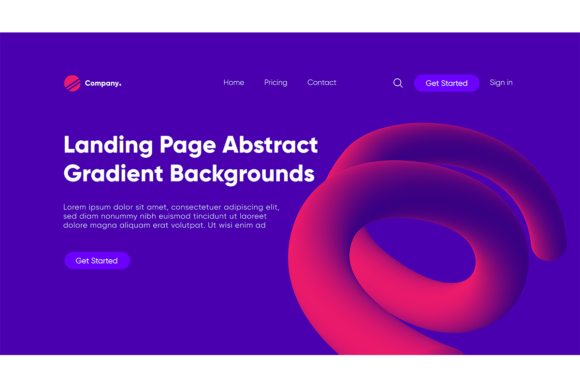
3D Liquid Gradient Background - Homepage
In the current digital landscape, visual hierarchy and immediate aesthetic impact are critical components of user engagement. For professionals, creators, and entrepreneurs, the background is not merely a canvas but a foundational element that sets the tone for the entire user experience. This is where assets like the 3D Liquid Gradient Background - Homepage become essential tools in a designer’s or marketer’s workflow. It represents more than just a decorative image; it is a strategic asset designed to enhance clarity, elegance, and modern appeal across various digital touchpoints.
The concept of liquid gradients has evolved from a niche design trend into a standard expectation for high-quality web interfaces. These backgrounds utilize fluid shapes, depth, and color transitions to create a sense of movement and sophistication without overwhelming the primary content. Understanding how to integrate such an asset effectively requires looking beyond its visual appeal and examining its technical specifications, organizational structure, and versatility within broader project lifecycles.
Defining the Asset and Its Core Characteristics
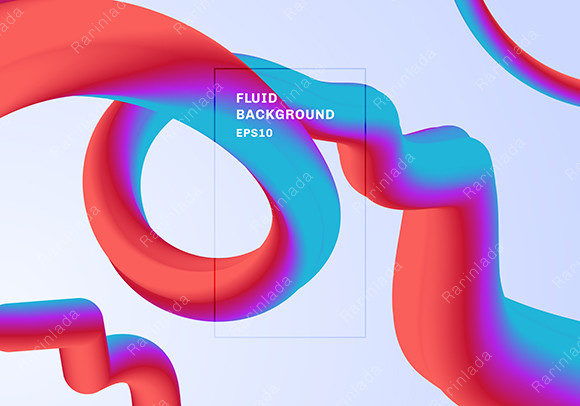
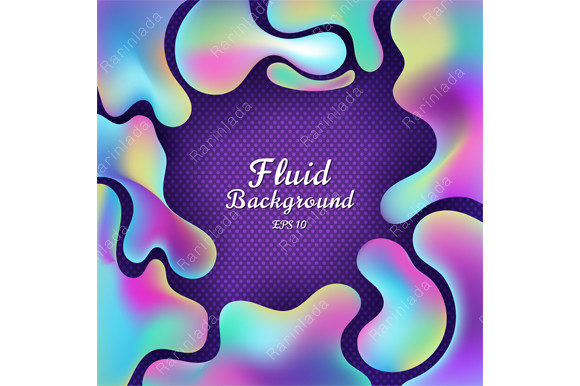
At its core, the 3D Liquid Gradient Background - Homepage is a high-fidelity graphic resource intended to serve as the backdrop for landing pages, advertising campaigns, and marketing materials. Unlike static flat colors or simple photographic textures, this asset employs complex shading and abstract fluid forms to simulate depth. The result is a "clean and elegant" aesthetic that guides the viewer’s eye toward the central message rather than distracting from it.
When evaluating this specific file type, several key characteristics define its utility:
- Abstract Fluid Shapes: The organic nature of the gradient mimics natural phenomena, creating a subconscious sense of flow and continuity. This is particularly effective for brands aiming to appear innovative, dynamic, or human-centric.
- 3D Rendering Quality: The inclusion of three-dimensional effects adds realism and weight to the design. This prevents the background from feeling "flat" or outdated, which is a common pitfall in minimalist web design.
- Versatility Across Formats: As noted in the product description, this asset is not limited to web use. It is equally suited for physical outputs such as posters, business cards, and flyers, ensuring brand consistency across both digital and print media.
For a freelancer or small business owner, having a single asset that performs well across multiple platforms reduces the need for custom design work for every new campaign. It streamlines the creative process by providing a reliable, high-quality foundation that can be adapted quickly.
Integration into Design Workflows
Understanding where this asset fits in your workflow is crucial for maximizing its value. Whether you are building a new landing page from scratch or refreshing an existing marketing deck, the 3D Liquid Gradient Background - Homepage can be utilized at different stages of the project lifecycle.
Pre-Production and Planning
During the initial planning phase, visual mood boards are often created to establish the direction of a project. Incorporating a 3D liquid gradient allows stakeholders to visualize the final aesthetic early on. Because the design is clean and elegant, it pairs well with a wide variety of typography styles and color palettes for call-to-action buttons. This flexibility means that during the wireframing stage, designers can experiment with layout structures without worrying about clashing with busy or inappropriate background elements.
Implementation and Development
When moving to implementation, specifically for web development, the technical format of the asset becomes paramount. The availability of an EPS10 file is a significant advantage. EPS (Encapsulated PostScript) is a vector-based format, meaning the graphics can be scaled to any size without losing resolution. This is essential for responsive web design, where backgrounds must adapt seamlessly to mobile screens, tablets, and desktop monitors.
Furthermore, the mention of organized layers indicates that the file is built with non-destructive editing in mind. In a practical workflow, this means you can isolate specific fluid shapes, adjust their opacity, or modify their color profiles independently. This level of control allows for rapid iteration. If a client requests a slight shift in tone—perhaps moving from a cool blue palette to a warm orange—the designer can make these adjustments efficiently without starting from scratch.
Post-Launch and Optimization
After launch, the asset may need to be repurposed for A/B testing or seasonal updates. Because the source file is organized, creating variations is straightforward. You might test a darker version of the gradient to increase contrast for text-heavy sections, or lighten it to improve accessibility scores. The ability to easily edit the background ensures that long-term maintenance of digital assets remains efficient and cost-effective.
Technical Considerations and Compatibility
To ensure smooth integration, it is important to understand the technical relationship between the asset and the tools used to deploy it. The JPG landing page preview images provide a quick reference for how the asset looks when rendered in a typical browser environment. However, relying solely on JPGs for production can lead to quality issues if the file is stretched or compressed incorrectly.
For optimal results, the workflow should prioritize the vector source (EPS10) during the design phase and convert to optimized raster formats (such as WebP or high-quality JPEG) only at the final export stage for web delivery. This hybrid approach balances file size efficiency with visual fidelity.
Compatibility extends beyond file formats to software ecosystems. Vector files like EPS10 are widely supported by industry-standard applications such as Adobe Illustrator, InDesign, and Photoshop. They also have good compatibility with other professional tools like Affinity Designer or CorelDRAW. For users working in non-vector environments, such as basic website builders or presentation software, the high-resolution JPG previews serve as excellent placeholders. However, for the best quality, importing the vector data into the host application is recommended whenever possible.
Strategic Use Cases and Applications
The versatility of the 3D Liquid Gradient Background - Homepage makes it suitable for a diverse range of applications. Here is how different user groups can leverage this asset:
- Landing Pages: For SaaS companies or app developers, a clean, modern background helps reduce cognitive load. Users can focus on the value proposition and sign-up forms without visual noise interfering with the conversion goal.
- Advertising Campaigns: In social media ads, attention spans are short. A visually striking 3D gradient captures the eye immediately. When paired with bold typography, it creates a memorable brand impression that stands out in crowded feeds.
- Presentations and Pitch Decks: Educators and entrepreneurs can use this background for slide decks. The elegant design conveys professionalism and attention to detail, subtly reinforcing the credibility of the presenter.
- Print Materials: For business cards or event flyers, the high-resolution nature of the asset ensures that the brand looks premium even in small formats. The fluid shapes can wrap around edges or frame text beautifully, adding a tactile sense of quality to printed goods.
Best Practices for Implementation
To get the most out of this asset, certain best practices should be followed during the design and deployment process.
Maintain Contrast: While the background is visually interesting, it must not compete with foreground content. Always test your text legibility against the gradient. Using semi-transparent overlays or drop shadows on text elements can help maintain readability while preserving the aesthetic integrity of the background.
Optimize File Sizes: Even though the source is vector, the final output for the web should be optimized. Large image files can slow down page load times, negatively impacting SEO and user experience. Use compression tools to reduce file size without noticeable quality loss.
Ensure Accessibility: Ensure that the color combinations meet WCAG (Web Content Accessibility Guidelines) standards. The fluid nature of gradients can sometimes create low-contrast areas. Regularly check contrast ratios to ensure all users, including those with visual impairments, can interact with your content comfortably.
Consistent Branding: If using this asset across multiple pages or campaigns, ensure that the color palette aligns with your overall brand guidelines. The organized layers of the EPS10 file make it easy to swap out colors to match different brand initiatives while maintaining the same structural design.
Conclusion on Workflow Efficiency
The 3D Liquid Gradient Background - Homepage is more than a decorative element; it is a functional component of a streamlined design workflow. By offering high-quality visuals, editable vector structures, and cross-platform versatility, it supports professionals in delivering polished, consistent, and engaging content. Whether you are launching a new startup, updating a corporate website, or preparing a high-stakes presentation, integrating this asset can save time, reduce design friction, and elevate the perceived quality of your work. In a market where first impressions are formed in milliseconds, leveraging such sophisticated yet manageable design resources is a practical step toward achieving better outcomes.