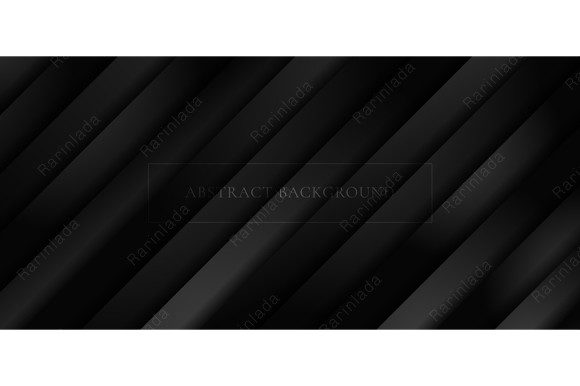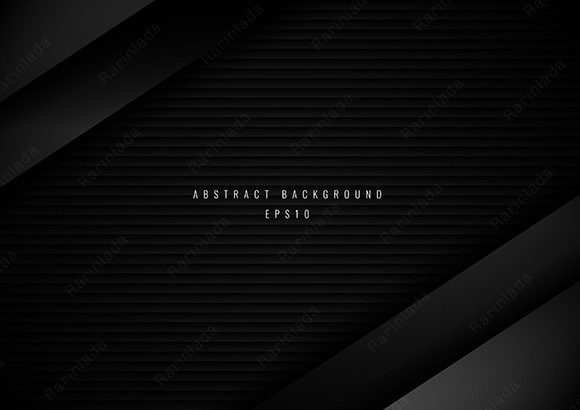
3D Black Metallic Geometric Background
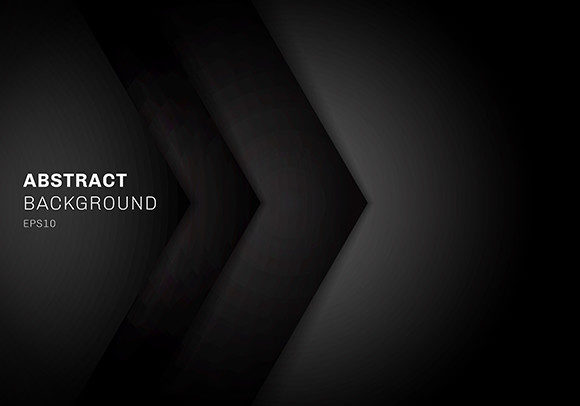
In the world of digital design, first impressions are often made in a fraction of a second. Whether you are crafting a high-stakes pitch deck for investors, designing a sleek landing page for a new tech product, or creating social media assets that need to stop the scroll, the background sets the tone before the viewer even reads your headline. This is where a 3D Black Metallic Geometric Background becomes an invaluable asset. It offers a sophisticated, modern aesthetic that conveys authority, innovation, and premium quality without overwhelming the primary content.
However, simply downloading a pretty image is not enough. Many creators fall into the trap of choosing low-quality assets that look flat on screen but fail miserably when printed or scaled up. Understanding the technical specifications behind these designs—such as vector formats, resolution, and editability—is crucial for ensuring your final output matches the professional standard you aim for.
Why Choose a 3D Metallic Aesthetic?
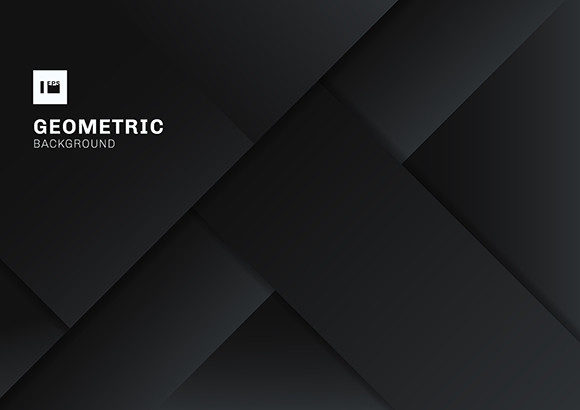
The appeal of black metallic textures lies in their versatility and psychological impact. Black is associated with elegance, power, and mystery, while metallic finishes add a layer of depth and realism that mimics physical materials like brushed steel or polished chrome. When combined with geometric patterns, particularly diagonal stripes, the design creates a sense of movement and dynamic energy.
This style is particularly effective for:
- Tech and SaaS Companies: The sharp lines and industrial feel suggest precision engineering and cutting-edge technology.
- Fashion and Luxury Brands: The metallic sheen evokes exclusivity and high-end craftsmanship.
- Corporate Presentations: A dark, structured background provides excellent contrast for white text and colorful data visualizations, making information easier to digest.
Unlike plain solid colors, a textured geometric background adds visual interest without requiring complex layout adjustments. It serves as a canvas that enhances the content placed upon it rather than competing with it.
The Critical Importance of Vector Formats
One of the most common mistakes beginners make when acquiring background graphics is focusing solely on the visual preview while ignoring the file format. You might see a stunning image online, but if it is a raster image (like a standard JPG or PNG), you are limiting its potential significantly. A true 3D Black Metallic Geometric Background should ideally be delivered as a vector file.
Vector graphics are defined by mathematical equations rather than pixels. This means they can be scaled to any size—from a business card to a billboard—without losing quality, blurring, or becoming pixelated. If you purchase a background that is only available in low-resolution formats, you risk:
- Poor Print Quality: Printing requires high DPI (dots per inch). Standard web images are typically 72 DPI, which looks blurry on paper. High-resolution prints require 300 DPI or higher.
- Lack of Flexibility: You cannot easily change the color of the metallic highlights or adjust the angle of the geometric stripes if the file is locked in a raster format.
- File Size Bloat: High-resolution raster images have massive file sizes, which can slow down your website loading times or crash older graphic software.
When evaluating a download, always look for EPS Version 10 or AI files. These are industry-standard vector formats compatible with Adobe Illustrator, CorelDRAW, and other professional design tools. They ensure that every curve, shadow, and highlight remains crisp and editable.
Understanding Resolution and Editability
Even within vector files, there are nuances regarding how "3D" effects are achieved. Some designers use gradients and shadows to simulate depth, while others use actual 3D modeling techniques exported as vectors. For a 3D Black Metallic Stripe Geometric Diagonal design, the interplay of light and shadow on the metallic surface is what creates the illusion of volume.
A fully editable vector file allows you to tweak these elements. Perhaps your brand colors are slightly different from the default template. With a vector source, you can adjust the gradient stops to match your exact hex codes. You might also want to alter the density of the diagonal stripes to suit a specific layout. If the file is not fully editable, you are stuck with a static image that may not perfectly align with your brand identity.
Additionally, check for watermarks. Reputable providers offer clean files without intrusive branding. A watermark not only looks unprofessional in your final work but also indicates a lack of proper licensing or care for the end-user experience.
Practical Tips for Integration
Once you have secured a high-quality, vector-based background, the next step is integration. Here is how to avoid common pitfalls when applying this texture to your projects:
Ensure Readability
Dark backgrounds can make text hard to read if the contrast is insufficient. Always test your typography against the background. White or light gray text works best on black metallic surfaces. Avoid using thin fonts that might get lost in the geometric details. Use bold, sans-serif typefaces to maintain a modern, clean look.
Balance the Composition
Geometric patterns, especially diagonal ones, create strong directional lines. Ensure that your main content blocks do not conflict with these lines. For example, placing a vertical list of text directly over steep diagonal stripes can cause visual vibration, making the text difficult to focus on. Use solid-colored overlays or semi-transparent boxes to create clear zones for your text and calls to action.
Check Compatibility
While EPS and AI files are powerful, not all platforms support them directly. If you are uploading to a website builder like WordPress or Wix, you will likely need to export your final design as a high-resolution JPG or PNG. However, because you started with a vector, you can export at 300 DPI and still achieve print-ready quality. Never export from a low-res source; always start from the highest quality master file.
What to Check Before Buying or Downloading
To ensure you get the best value and usability out of your design asset, verify the following before finalizing your decision:
- Format List: Does the package include both EPS (for editing) and JPG (for quick viewing/web use)? Having both ensures you have the best of both worlds.
- Software Compatibility: Confirm that the EPS version is compatible with your preferred software. EPS Version 10 is widely supported by older and newer versions of Illustrator and CorelDRAW.
- Resolution Specs: Even for vectors, check if the provider specifies a high-DPI raster preview. This indicates attention to detail.
- License Terms: Ensure you have the right to use the graphic for your intended purpose, whether it is commercial, editorial, or personal use.
By prioritizing vector-based, high-resolution assets like a 3D Black Metallic Geometric Background, you protect your work from future limitations. You gain the freedom to scale, edit, and adapt your designs as your project evolves. In a competitive digital landscape, having the flexibility to refine your visuals is not just a convenience—it is a necessity for maintaining a professional and credible brand presence.