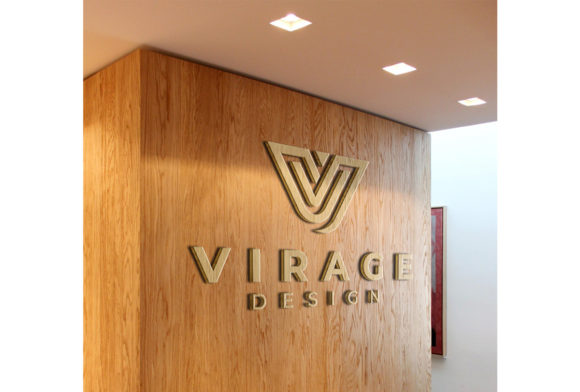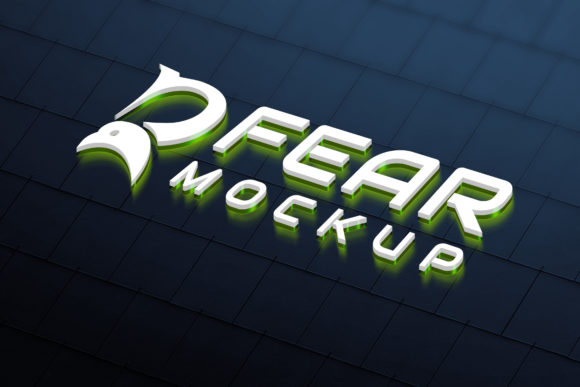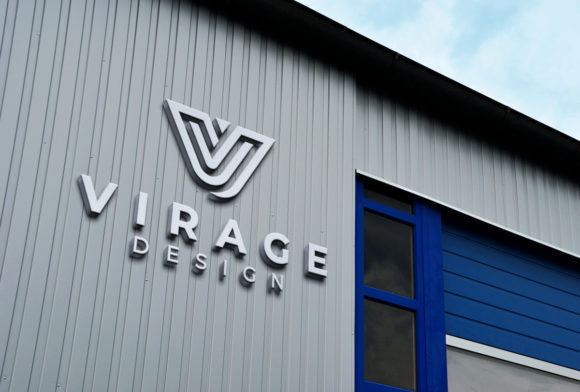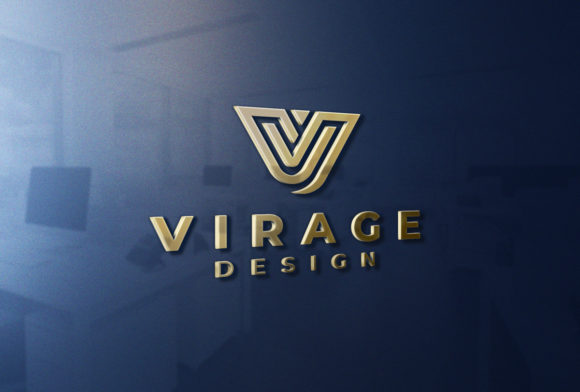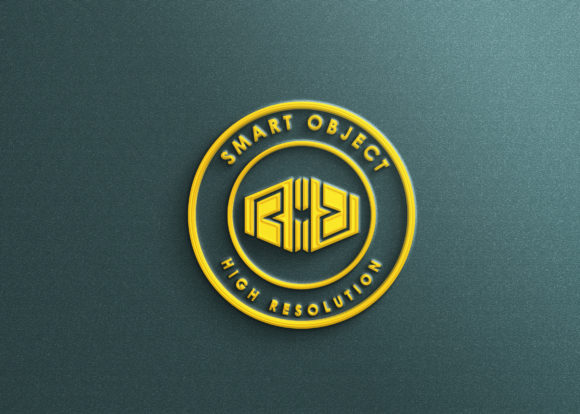
3D Logo Mockup on Concrete Wall
In the modern digital landscape, visual presentation is often the first point of contact between a brand and its audience. For designers, branding agencies, and business owners, showcasing a logo effectively is not just about the design itself but how it interacts with its environment. This is where a 3D Logo Mockup on Concrete Wall becomes an indispensable tool. It transforms a flat, two-dimensional graphic into a tangible, realistic asset that communicates depth, texture, and presence. Whether you are preparing a portfolio, pitching to a client, or updating your social media presence, understanding the value and utility of this specific mockup style can significantly elevate your professional output.
The Power of Realism in Brand Presentation
Why does realism matter? When a potential client or customer views a logo, they subconsciously assess its quality and credibility. A flat image of a logo can feel static and disconnected from reality. In contrast, a 3D Logo Mockup on Concrete Wall places the design within a physical context. The rough, industrial texture of concrete provides a striking backdrop that contrasts beautifully with clean, modern typography or intricate graphical elements. This juxtaposition creates visual interest and suggests that the brand is grounded, sturdy, and contemporary.
This type of mockup is particularly effective for businesses in industries such as construction, architecture, interior design, automotive, and urban fashion. However, its versatility extends far beyond these sectors. A minimalist tech startup might use a concrete wall mockup to convey stability and innovation, while a creative agency might use it to showcase a bold, artistic rebrand. The key lies in the ability to present the logo in a way that feels authentic and high-end without requiring expensive physical production.
Understanding the Technical Advantages
One of the primary reasons professionals prefer PSD-based mockups over pre-rendered images is the level of control and customization offered. A well-constructed 3D Logo Mockup on Concrete Wall utilizes Adobe Photoshop’s Smart Object technology. This feature simplifies the workflow drastically, allowing users to replace placeholder designs with their own artwork in seconds. Instead of manually masking, warping, and blending layers, designers simply double-click the designated layer, drop in their vector or raster file, save the changes, and watch the mockup update automatically.
The technical specifications of a high-quality mockup ensure that the final result looks pristine. Key features typically include:
- High-Quality Resolution: Files are often provided at 4000 x 2500 pixels or higher, ensuring sharpness even when printed on large formats or viewed on high-resolution Retina displays.
- 300 DPI RGB Color Mode: This standard ensures accurate color representation for both digital screens and print materials.
- Fully Editable Layers: Beyond just the logo placement, advanced mockups allow adjustments to lighting, shadows, and background colors, giving you complete creative freedom.
- Compatibility: These files are compatible with Adobe Photoshop CC and later versions, software that is widely used across the design industry.
For those who may not be expert Photoshop users, the learning curve is minimal. The process is intuitive: open the file, locate the smart object layer labeled “Place your design,” insert your artwork, and save. The complex calculations for perspective and lighting are handled by the software, delivering a professional result with minimal effort.
Real-World Applications and Use Cases
The applications for a 3D Logo Mockup on Concrete Wall are diverse and span multiple stages of the branding process. Here are several scenarios where this tool proves invaluable:
Client Presentations and Pitches
When presenting a new logo concept to a client, a flat image can sometimes fail to capture the intended impact. By placing the logo on a concrete wall, you provide context. It helps the client visualize how the brand will look on signage, building facades, or merchandise. This tangible representation can bridge the gap between abstract concepts and real-world application, making the pitch more compelling and easier to approve.
Social Media and Digital Marketing
In the fast-scrolling world of Instagram, LinkedIn, and Facebook, eye-catching visuals are crucial. A 3D Logo Mockup on Concrete Wall stands out against typical white-background graphics. It adds depth and sophistication to posts announcing a rebrand, a new product launch, or a company milestone. The gritty aesthetic of concrete pairs well with vibrant colors, making the logo pop and encouraging higher engagement rates.
Portfolio Enhancement
For freelance designers and agencies, portfolios are the ultimate resume. Displaying logos in isolation can look incomplete. Integrating them into realistic environments demonstrates an understanding of branding ecosystems. A concrete wall mockup suggests that the designer considers how a logo functions in the physical world, adding a layer of professionalism and expertise to the portfolio.
E-commerce and Merchandise Previews
If a business sells branded merchandise such as t-shirts, mugs, or posters, showing the logo on a concrete wall can serve as a lifestyle preview. It helps customers imagine the brand in their daily lives. For instance, a streetwear brand might display its logo on a concrete wall alongside other urban elements, creating a cohesive narrative that resonates with its target demographic.
Evaluating Suitability for Your Project
While a 3D Logo Mockup on Concrete Wall is versatile, it is not a one-size-fits-all solution. It is essential to consider whether this aesthetic aligns with your brand identity. Concrete evokes feelings of industrial strength, rawness, and modernity. If your brand is delicate, floral, or traditionally elegant, a concrete backdrop might create a dissonant visual message. In such cases, a softer material like marble, wood, or paper might be more appropriate.
However, for brands aiming to project reliability, creativity, and edge, the concrete mockup is an excellent choice. It works particularly well with sans-serif fonts, bold geometric shapes, and monochromatic or high-contrast color palettes. When evaluating a mockup file, check for natural lighting effects and realistic shadow casting. Poorly executed mockups can look artificial and detract from the logo’s quality. Look for files that offer well-organized layers and clear instructions, ensuring a smooth editing experience.
Maximizing Value Through Customization
To get the most out of your 3D Logo Mockup on Concrete Wall, do not settle for the default settings. Take advantage of the editable features to tailor the mockup to your specific needs. You might adjust the brightness or contrast of the concrete texture to better complement your logo’s colors. Some advanced mockups allow you to change the angle of the wall or the position of the light source, offering further customization options.
Additionally, consider combining the mockup with other elements. Adding subtle props, such as plants, tools, or architectural details, can enhance the scene and tell a more detailed story about your brand. Remember that simplicity is often key; let the logo remain the focal point while the background supports rather than overwhelms it.
Conclusion
Investing in a high-quality 3D Logo Mockup on Concrete Wall is a strategic move for any professional looking to enhance their visual communication. It bridges the gap between digital design and physical reality, providing a realistic and impactful way to showcase branding work. With its ease of use, high resolution, and versatile application, this tool empowers designers and business owners to present their ideas with confidence and clarity. By leveraging the power of realistic textures and smart technology, you can take your brand’s visual identity to the next level, leaving a lasting impression on clients and customers alike.