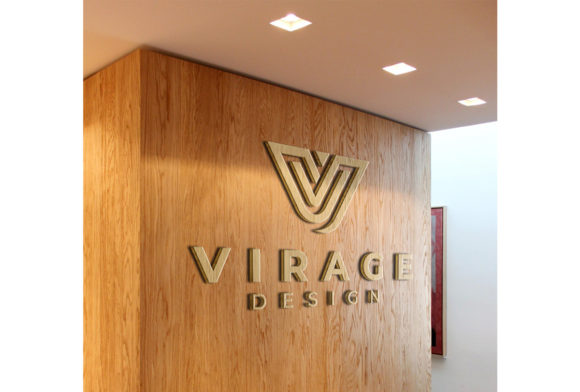
3D Wooden Logo Mockup on Office Wall
In the competitive landscape of modern branding, first impressions are everything. When you present a logo design to a client, investor, or stakeholder, the context in which it is displayed can make the difference between indifference and excitement. A flat JPEG often fails to convey the depth, weight, and premium feel of a physical brand identity. This is where a 3D Wooden Logo Mockup on Office Wall becomes an indispensable tool for designers and business owners alike. It transforms a digital concept into a tangible reality, allowing viewers to visualize how their brand will look when carved into wood and mounted in a professional environment.
This specific mockup style leverages the natural warmth and organic texture of wood to create a sophisticated, grounded aesthetic. Whether you are designing for a boutique coffee shop, a high-end law firm, or a creative agency, seeing your logo rendered in realistic 3D against a textured office wall provides immediate credibility. It bridges the gap between abstract digital art and physical manifestation, helping clients understand not just what the logo looks like, but how it feels in a real-world space.
Why Realism Matters in Brand Presentation
Designers often struggle with the "flatness" problem. A vector file is precise, but it lacks soul until placed in context. Clients frequently ask, "What will this look like on my wall?" or "Does this look too cheap?" By using a high-fidelity 3D Wooden Logo Mockup on Office Wall, you answer these questions before they are even asked. The photorealistic results ensure that shadows, lighting, and material imperfections are accounted for, creating a sense of trust and professionalism.
The psychological impact of wood in interior design cannot be overstated. Wood signifies stability, tradition, and quality. When a logo is presented as if it were carved from solid oak or walnut and mounted on a brick or plaster wall, it suggests permanence and reliability. For entrepreneurs and freelancers, this subtle cue can elevate the perceived value of their services. It moves the conversation from price negotiation to appreciation of quality, making the sales process smoother and more effective.
Key Characteristics and Technical Advantages
Not all mockups are created equal. The effectiveness of a 3D Wooden Logo Mockup on Office Wall relies heavily on its technical construction. A superior mockup file is not merely a static image; it is a dynamic, layered PSD (Photoshop Document) designed for ease of use and maximum flexibility. Understanding these technical strengths helps you evaluate whether a resource is worth incorporating into your workflow.
- Layered and Well-Structured PSD File: A professionally crafted mockup separates every element. The background wall, the wooden sign itself, the screws or mounting hardware, and the logo layer are distinct. This structure allows you to adjust individual components without affecting the rest of the composition.
- Easy Editing via Smart Objects: This is the most critical feature for efficiency. With Smart Objects, you can simply double-click the logo placeholder, drop in your own design, and save. The software automatically applies the necessary warping, shading, and blending modes to match the perspective of the wood. This reduces hours of manual retouching into seconds.
- Real Backgrounds and Textures: Generic white backgrounds do nothing to sell a brand. High-quality mockups include realistic office environments—perhaps exposed brick, sleek drywall, or industrial concrete. The wood grain must be detailed, showing knots, variations in color, and surface wear that mimic real-world materials.
- Photorealistic Results at 2000x1350px: Resolution matters. A dimension of 2000x1350px offers a balance between high detail and manageable file size. It is sharp enough for web presentations and social media previews, ensuring that fine details in the wood grain and logo edges remain crisp on retina displays.
Practical Applications Across Industries
The versatility of a 3D Wooden Logo Mockup on Office Wall extends far beyond simple logo presentation. Its utility spans various professional and creative domains, offering practical solutions for communication and marketing challenges.
For Designers and Agencies: Presentations are the final step in the design process. Using this mockup allows agencies to showcase rebranding projects with authority. Imagine presenting a new identity for a craft brewery; placing their new emblem on a rustic wooden sign against a dark office wall instantly communicates the brand's artisanal values. It serves as a powerful visual aid during pitch meetings, reducing ambiguity and accelerating approval times.
For Small Business Owners: Entrepreneurs often need to visualize their storefront or office signage before investing in physical fabrication. A mockup provides a low-cost way to test different placements and lighting conditions. If you are opening a co-working space, seeing your logo mounted prominently on the reception wall helps you gauge the impact of the branding on visitor experience.
For Educators and Students: In graphic design courses, teaching students about environmental branding is crucial. This mockup serves as an excellent educational tool, demonstrating how logos interact with three-dimensional surfaces. It encourages students to think about materiality and context, moving them beyond screen-based design thinking.
For Marketers and Bloggers: Content creation requires engaging visuals. Blog posts about branding trends, startup tips, or design inspiration perform better with high-quality imagery. Inserting a 3D Wooden Logo Mockup on Office Wall into your articles adds visual variety and professionalism, keeping readers engaged and reinforcing the topic of tangible brand building.
Evaluating Quality and Implementation Tips
When selecting a mockup for your projects, it is essential to look beyond the preview image. Evaluate the complexity of the layer structure; overly flattened files limit your ability to customize colors or replace elements. Check the lighting consistency in the sample images—shadows should fall naturally based on the light source, not appear pasted on top.
Furthermore, consider the aspect ratio and resolution. While 2000x1350px is ideal for many web uses, ensure the file supports the specific dimensions required for your portfolio or client deck. Always back up your original PSD files and keep track of the Smart Object links to maintain non-destructive editing capabilities.
Implementing this tool effectively also involves understanding color theory in relation to wood tones. Darker woods like mahogany pair well with gold or white logos, while lighter woods like birch suit black or navy designs. Experiment with these combinations within the mockup to find the perfect contrast that enhances readability and aesthetic appeal.
Conclusion
In a digital-first world, the tactile illusion provided by a 3D Wooden Logo Mockup on Office Wall offers a unique advantage. It grounds digital designs in physical reality, enhancing communication, boosting confidence, and elevating brand perception. By leveraging the ease of Smart Objects and the richness of photorealistic textures, professionals can deliver presentations that resonate on a deeper level. Whether you are polishing your portfolio, pitching to a new client, or planning your own office space, this mockup is a practical investment in clearer, more compelling visual storytelling.