3D Topography Paper Cut Background
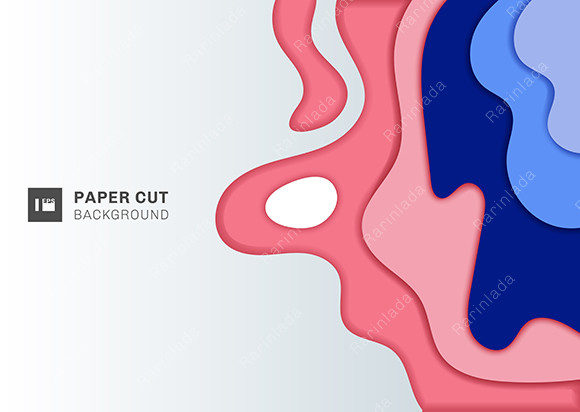
In the world of visual design, standing out requires more than just a clean layout; it demands depth, texture, and an element that feels tangible. This is where the 3D Topography Paper Cut Background becomes an indispensable asset for modern creators. Imagine a landscape rendered not in flat pixels, but as if it were meticulously layered from sheets of colored paper, complete with shadows, gradients, and geometric precision. This style bridges the gap between digital abstraction and physical craft, offering a unique aesthetic that captures attention without overwhelming the viewer.
For professionals ranging from freelance graphic designers to marketing agencies, having access to high-quality vector assets is crucial. The specific combination of abstract topography, 3D paper cut effects, and vibrant blue and pink gradients creates a versatile foundation for various projects. Whether you are designing a website banner, a corporate brochure, or a social media advertisement, this type of background provides immediate visual interest while maintaining a professional polish.
Understanding the Aesthetic: What Makes It Unique?
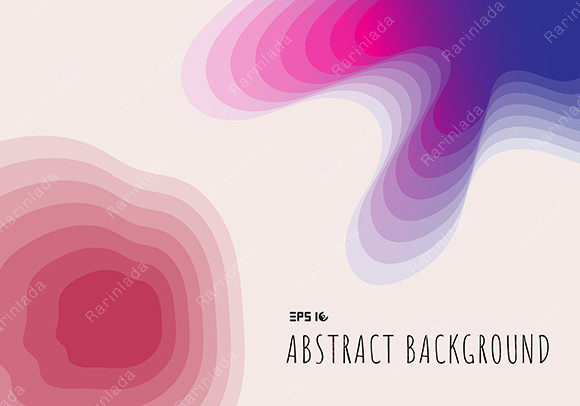
The core appeal of a 3D Topography Paper Cut Background lies in its ability to simulate depth on a two-dimensional plane. Unlike traditional photographic backgrounds, which can sometimes feel cluttered or dated, this vector-based approach offers crisp lines and smooth transitions. The "paper cut" effect mimics the look of die-cut layers, where each contour line represents a different elevation, creating a sense of movement and dimensionality.
Key characteristics include:
- Geometric Precision: The use of abstract topography ensures that the design remains structured and orderly, appealing to corporate and tech-oriented audiences who value clarity.
- Vibrant Gradients: The interplay between cool blues and warm pinks adds emotional resonance. Blue often conveys trust and stability, while pink brings energy and creativity. Together, they create a balanced yet dynamic palette.
- Textural Depth: Even though the file is vector-based, the shading and layering techniques used give the illusion of physical texture, making the image feel rich and engaging.
This aesthetic is particularly effective because it is non-distracting. It provides a sophisticated backdrop that allows foreground content—such as text, product images, or call-to-action buttons—to remain the focal point. For educators and bloggers, this means your message is communicated clearly without competing with chaotic visuals.
Practical Applications Across Industries
One of the greatest strengths of the 3D Topography Paper Cut Background is its adaptability. Because it is built entirely from vectors, it scales effortlessly without losing quality, making it suitable for both small mobile screens and large-format print materials.
Digital Marketing and Web Design
In the digital space, first impressions matter. A landing page featuring a subtle topography background can significantly enhance user experience (UX). The gradient flow guides the eye across the screen, encouraging users to scroll or click. For ad templates and flyers, these backgrounds provide a premium look that distinguishes brands from competitors using generic stock photos. The fluid liquid illustration aspect adds a modern touch, suggesting innovation and forward-thinking.
Corporate Branding and Presentations
Businesses looking to project a image of reliability mixed with creativity will find this style highly beneficial. Pitch decks, annual reports, and internal newsletters can benefit from the structured yet colorful nature of topography designs. The geometric elements subconsciously communicate organization and data-driven thinking, while the artistic flair prevents the presentation from feeling dry or overly rigid.
Educational Materials and Publishing
For educators and publishers, visual aids are powerful tools for engagement. Textbooks, e-learning modules, and informational brochures can use these backgrounds to break up dense text. The abstract nature of the topography allows it to fit various subjects, from geography and environmental science to technology and business strategy. Its readability ensures that students or readers can absorb information comfortably.
Print Media and Brochures
When moving to print, resolution is key. This design comes in high resolutions at 300 dpi, ensuring that every curve and shadow looks sharp when printed on flyers, banners, or posters. The vector format guarantees that colors remain consistent whether viewed on a screen or held in hand. This consistency is vital for brand integrity, ensuring that your logo and messaging look identical across all touchpoints.
Technical Advantages: Why Vector Matters
Choosing a vector-based design over a raster image (like standard JPEGs or PNGs) offers significant practical benefits. The primary advantage is scalability. You can resize a vector graphic from a tiny favicon to a massive billboard without any loss in quality. This flexibility saves time and money, as you do not need to purchase multiple versions of the same image for different sizes.
Furthermore, being fully editable allows for customization. If your brand colors change, or if you need to adjust the intensity of the blue and pink gradients, you can do so directly within compatible software. The file includes EPS Version 10 and JPG formats, ensuring compatibility with a wide range of tools. It is readable by industry-standard programs such as Adobe Illustrator and Corel Draw, giving you full control over the final output.
Benefits of using editable vectors:
- Efficiency: Modify colors, shapes, or layouts quickly without starting from scratch.
- Cost-Effectiveness: One high-resolution file serves multiple purposes, reducing the need for repeated purchases.
- Professional Output: Clean edges and perfect curves contribute to a polished, high-end appearance.
Selecting and Implementing the Right Assets
When integrating a 3D Topography Paper Cut Background into your workflow, consider the context of your audience. For a younger, creative demographic, you might emphasize the vibrant pink gradients and fluid shapes. For a more conservative business audience, you may choose to mute the colors slightly or use the blue tones to evoke professionalism.
Always ensure that there is sufficient contrast between your background and your foreground content. While the topography is visually interesting, it should support your message, not compete with it. Using ample white space or semi-transparent overlays can help maintain readability. Additionally, check the licensing terms to ensure you have the right to use the asset for your specific commercial or personal needs.
No watermark files included means you receive a clean, ready-to-use product. This transparency builds trust and allows you to focus on design rather than legal concerns. By leveraging these high-quality, fully editable vector graphics, you elevate the perceived value of your work. Whether you are a solo freelancer trying to impress a client or a large agency launching a new campaign, the right background can make all the difference.
In conclusion, the 3D Topography Paper Cut Background is more than just a decorative element; it is a strategic tool for enhancing communication and engagement. Its blend of artistic flair and technical precision makes it a valuable addition to any designer’s toolkit. By understanding its applications and technical advantages, you can create compelling visuals that resonate with your audience and achieve your goals effectively.