The Power of 3D Modern Liquid Line Shape Gradient Backgrounds in Contemporary Design
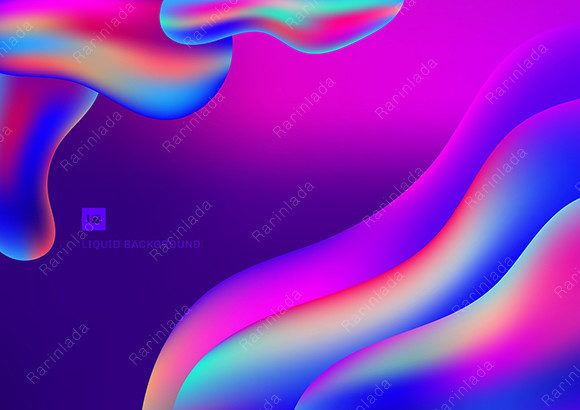
In the rapidly evolving landscape of digital and print design, visual impact is everything. Today’s audiences are bombarded with information from every angle, making it crucial for designers to create assets that not only catch the eye but also convey a sense of sophistication, modernity, and fluidity. One of the most dominant trends capturing this essence is the 3D Modern Liquid Line Shape Gradient. These abstract backgrounds, characterized by their vibrant color palettes—often featuring deep reds, soft pinks, and electric blues—offer a dynamic interplay of form and light that transforms static pages into immersive experiences.
This article explores the significance of these vector illustrations, how they are constructed, and why they have become an indispensable tool for creatives working on brochures, flyers, posters, banners, and web covers. Whether you are a seasoned graphic designer or a business owner looking to elevate your brand identity, understanding the value of high-resolution, fully editable vector graphics is key to creating compelling visual narratives.
Understanding the Aesthetic: Fluid Dynamics Meets Digital Art
At its core, a liquid line shape gradient background mimics the natural behavior of fluids. Think of honey pouring slowly, ink dispersing in water, or molten glass being twisted. However, unlike traditional photography or raster-based digital art, these designs utilize vector illustration techniques to achieve a level of precision and scalability that is unmatched.
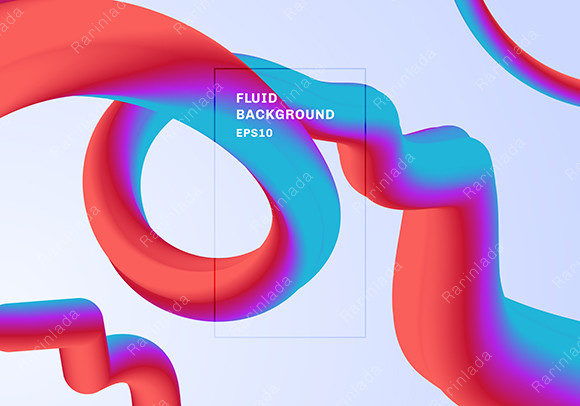
The term "liquid" refers to the organic, flowing shapes that lack rigid geometric boundaries. These shapes often twist, spiral, and intertwine, creating a sense of movement even when viewed on a static screen. The "line shape" aspect highlights the use of contours and strokes that define the edges of these fluid forms, giving them structure and depth. Meanwhile, the "gradient" component introduces a smooth transition between colors, typically utilizing trendy palettes such as:
- Vibrant Red: Evoking passion, energy, and urgency.
- Soft Pink: Adding warmth, approachability, and modern femininity.
- Electric Blue: Conveying trust, technology, and calmness.
When combined, these colors create a visually striking contrast that draws the viewer’s eye across the composition. The 3D effect is achieved through careful shading, highlights, and shadows applied within the vector software, simulating the way light interacts with a glossy, three-dimensional surface.
Why Vector Graphics Are Essential for Modern Design
One of the most critical advantages of using vector-based designs is their infinite scalability. Unlike raster images (such as JPEGs or PNGs), which are made up of pixels and can become blurry or pixelated when enlarged, vector graphics are composed of mathematical equations. This means they can be resized from a tiny icon to a massive billboard without any loss in quality.
For professionals, this translates to versatility. A single file can be used across multiple mediums:
- Print Materials: High-resolution outputs at 300dpi ensure that brochures, flyers, and posters look crisp and professional. There is no risk of jagged edges or blurry gradients.
- Digital Media: Web banners, social media posts, and website headers benefit from the lightweight nature of vectors, ensuring fast loading times while maintaining visual fidelity.
- Customization: Because the files are fully editable, designers can tweak colors, adjust shapes, or modify text placement to fit specific brand guidelines.
This flexibility is particularly important in today’s multi-channel marketing environment, where consistency across platforms is vital for brand recognition.
Practical Applications Across Industries
The versatility of 3D liquid gradient backgrounds makes them suitable for a wide range of industries and applications. Here are some common scenarios where these designs shine:
Marketing and Advertising
In the competitive world of advertising, standing out is paramount. A flyer or poster featuring a swirling, colorful liquid design immediately grabs attention. The vibrant gradients suggest innovation and creativity, making them ideal for tech startups, creative agencies, and lifestyle brands. For example, a music festival banner might use intense reds and blues to evoke excitement and energy, while a wellness brochure might opt for softer pinks and blues to promote relaxation and balance.
Web and UI/UX Design
Modern web design often relies on bold backgrounds to create depth and hierarchy. Liquid gradients work exceptionally well as hero sections on landing pages or as subtle textures behind call-to-action buttons. Their smooth transitions guide the user’s eye naturally through the content, enhancing usability and engagement. Furthermore, because they are vector-based, they can be animated using CSS or JavaScript to create interactive effects that respond to user input.
Corporate Identity and Branding
Brands seeking to project a modern, forward-thinking image often incorporate abstract elements into their visual identity. A logo or brand asset derived from a liquid shape can symbolize adaptability, flow, and continuous growth. When used consistently across business cards, letterheads, and presentation decks, these elements help establish a cohesive and memorable brand experience.
Education and Presentations
In educational settings, engaging visuals can enhance learning outcomes. Slide decks for lectures or workshops benefit from clean, visually appealing backgrounds that do not distract from the content. Abstract liquid gradients provide a sophisticated backdrop that keeps the audience focused on the speaker and the material.
Technical Specifications and Compatibility
When sourcing or creating these designs, it is essential to understand the technical specifications that ensure maximum utility. A high-quality vector asset should include the following features:
- EPS Version 10 Format: This is a widely compatible vector format that supports layers, transparency, and complex paths. It ensures that the design can be opened and edited in major vector-based graphic programs such as Adobe Illustrator, CorelDRAW, and Affinity Designer.
- JPG Preview: A high-resolution JPG file allows for quick previews without needing specialized software. This is useful for clients who want to visualize the final product before purchasing or implementing it.
- High Resolution (300dpi): Even though vectors are resolution-independent, providing a 300dpi raster version ensures compatibility with print workflows that require embedded images.
- No Watermarks: Professional assets should be delivered free of watermarks, allowing for immediate use in commercial projects.
- Fully Editable Layers: The ability to isolate individual shapes, change gradient stops, and modify text ensures that the design can be tailored to specific needs.
Debunking Common Misconceptions
There are several misconceptions about using abstract and gradient backgrounds in design. One common belief is that they are too busy or distracting. However, when designed correctly, these elements serve as a foundation rather than a focal point. The key lies in balancing the vibrancy of the gradient with sufficient negative space for text and other graphical elements. By using opacity adjustments and blurring techniques, designers can create a soft backdrop that enhances readability without overwhelming the viewer.
Another misconception is that vector graphics are difficult to work with. While they do require specific software, the benefits far outweigh the learning curve. Once mastered, vector editing allows for unprecedented control over design elements, enabling rapid iterations and customization that would be impossible with raster images.
Conclusion: Elevating Your Visual Communication
The integration of 3D modern liquid line shape gradients into your design toolkit represents more than just following a trend; it is a strategic choice that enhances visual appeal, versatility, and professionalism. By leveraging the power of vector illustration, designers can create assets that are not only beautiful but also functional and adaptable across various mediums.
Whether you are crafting a brochure for a new product launch, designing a banner for a web campaign, or updating your corporate identity, these vibrant, fluid backgrounds offer a contemporary solution that resonates with modern audiences. Embrace the flexibility and beauty of vector-based liquid gradients to create designs that leave a lasting impression.
To get started, ensure you source high-quality, fully editable vector files from reputable providers. Look for formats like EPS and AI, check for 300dpi readiness, and verify compatibility with your preferred design software. With the right assets and a clear vision, you can harness the full potential of these dynamic designs to communicate your message effectively and creatively.