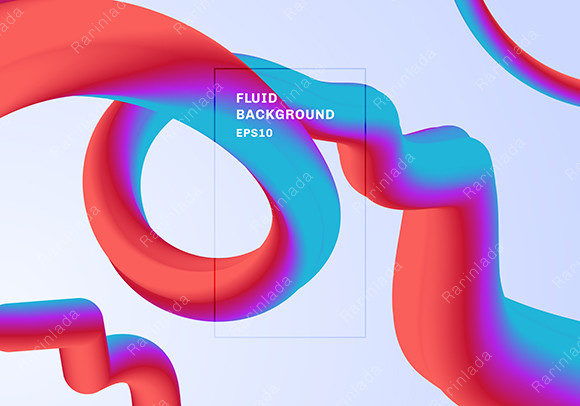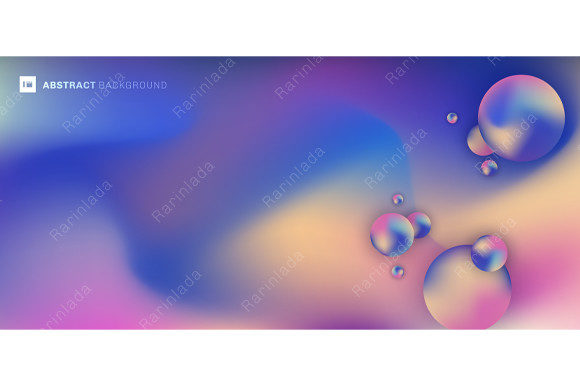
Abstract 3D Circles Elements Fluid Shape
In the rapidly evolving landscape of digital and print design, capturing attention within the first few seconds is paramount. Modern audiences are drawn to visuals that feel dynamic, immersive, and technologically advanced. This is where Abstract 3D Circles Elements Fluid Shape steps in as a powerful tool for designers seeking to elevate their creative output. By blending organic movement with geometric precision, these assets offer a sophisticated way to communicate innovation and fluidity without overwhelming the viewer.
Whether you are crafting a high-end brand identity or a quick social media post, the right visual element can transform a static layout into an engaging experience. These designs are not merely decorative; they serve as foundational components that guide the eye, establish mood, and reinforce brand values through modern aesthetics. Understanding how to leverage these complex forms can significantly enhance your design workflow and the overall quality of your projects.
The Power of Fluid Geometry in Visual Communication
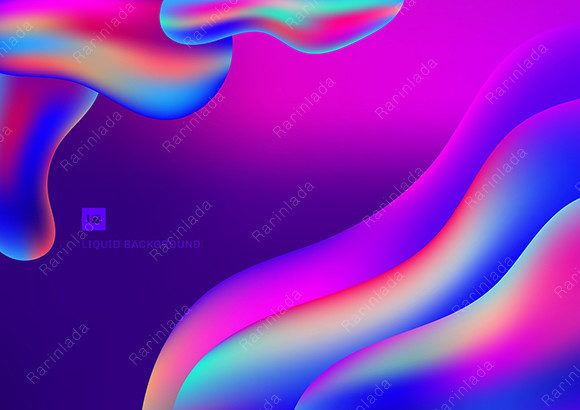
Traditional flat design has given way to more dimensional approaches that mimic the real world while maintaining a clean, digital aesthetic. The interplay between 3D circles and fluid shapes creates a sense of depth and motion on a two-dimensional plane. This technique, often referred to as "glassmorphism" or "liquid gradients," leverages light, shadow, and color transitions to create objects that appear tangible yet ethereal.
For graphic designers, this means having access to versatile assets that can adapt to various contexts. A set of vector-based abstract elements allows for infinite scalability without loss of quality. This is crucial for maintaining professional presentation standards across different mediums, from tiny mobile icons to large-format billboards. The ability to edit these vectors ensures that every hue, curve, and shadow aligns perfectly with your specific project requirements.
Practical Applications Across Industries
The versatility of abstract 3D fluid shapes makes them suitable for a wide array of creative projects. Here is how these elements can be integrated into common design workflows:
- Branding and Logo Design: Use these shapes to create unique logomarks that suggest movement, growth, or connectivity. The gradient colors can reflect a brand’s energy and personality, helping to establish a memorable brand identity.
- Web and UI/UX Design: Incorporate these elements as background textures or interactive buttons. They add visual interest to landing pages and app interfaces, improving user engagement by making the digital space feel more alive and responsive.
- Social Media Graphics: Stand out in crowded feeds with bold, colorful compositions. These assets work exceptionally well for Instagram stories, LinkedIn banners, and Facebook covers, where visual hierarchy needs to be immediate and impactful.
- Editorial and Print Design: Enhance magazine layouts, brochures, and flyers with subtle 3D accents. They can break up text-heavy sections and draw attention to key headlines or calls to action.
- Packaging Design: Create shelf-appeal with packaging that features glossy, liquid-like graphics. This approach signals premium quality and modernity, appealing to contemporary consumers.
Evaluating Quality and Usability
Not all design assets are created equal. When selecting abstract elements for your creative projects, it is essential to evaluate their technical specifications and flexibility. High-resolution files, such as those at 300 dpi, ensure crisp output for print materials, while vector formats guarantee that the graphics remain sharp regardless of scale.
Look for assets that are fully editable. Files provided in EPS Version 10 or compatible with Adobe Illustrator and Corel Draw allow you to manipulate individual layers, adjust color palettes, and modify shapes to fit your brand guidelines. This level of control is vital for maintaining consistency across all marketing materials. Additionally, ensuring there are no watermarks preserves the professionalism of your final deliverables.
Integrating Typography and Color
To achieve a polished result, pair these vibrant abstract backgrounds with clean, readable typography. The complexity of fluid shapes requires a balanced approach to visual hierarchy. Use strong, sans-serif fonts to anchor the design and provide contrast against the organic curves. Choose a color palette that complements the gradients in the asset, ensuring that text remains legible and the overall composition feels harmonious.
By thoughtfully integrating these high-quality creative assets, designers can bridge the gap between artistic expression and functional communication. Whether you are updating a corporate website or launching a new product campaign, the right visual elements can convey sophistication and reliability. Embracing trends like abstract 3D fluid shapes allows brands to stay relevant and visually compelling in a competitive market.
Ultimately, the success of any design lies in its ability to connect with the audience. Using premium, editable vector graphics provides the foundation for creating meaningful visual stories. As design tools become more accessible, the focus shifts to how effectively we can use these resources to solve problems and inspire action. Investing in high-quality design assets is an investment in the clarity and impact of your message.