Evaluating 3D Geometric Polygons Pattern Backgrounds for Modern Design Projects
In the landscape of contemporary graphic design, visual texture plays a pivotal role in establishing brand identity and user engagement. Among the myriad of stylistic choices available to designers, the 3D Geometric Polygons Pattern Background has emerged as a versatile and impactful element. This aesthetic combines mathematical precision with depth perception, creating visuals that are both structured and dynamic. For professionals tasked with creating templates for book covers, website headers, advertising banners, or promotional posters, understanding the nuances of this style is essential for making informed creative decisions.
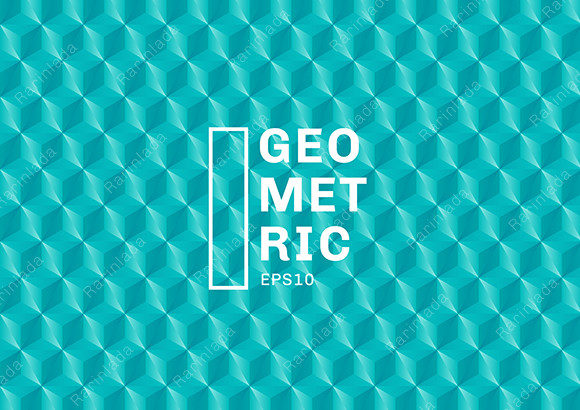
The appeal of geometric patterns lies in their ability to convey stability, innovation, and modernity simultaneously. However, not all geometric backgrounds are created equal. The specific variation featuring abstract 3D green turquoise polygons alongside sharp blue triangular shapes offers a distinct color psychology and structural complexity that warrants closer examination. This article explores the characteristics, applications, technical specifications, and comparative advantages of using vector-based 3D polygonal designs in professional workflows.
Defining the Aesthetic: Depth Through Geometry
A 3D Geometric Polygons Pattern Background is characterized by the use of flat shapes—primarily triangles, hexagons, and irregular quadrilaterals—that are manipulated to simulate three-dimensional space. Unlike traditional flat design, which relies on solid colors and minimalism, this style utilizes shading, gradients, and overlapping elements to create a sense of volume and perspective. The result is a "low-poly" effect, where complex surfaces are broken down into simple geometric facets.
What makes this specific pattern distinct is its color palette. The combination of green and turquoise tones evokes feelings of growth, technology, freshness, and clarity. These cool colors are frequently associated with the tech industry, healthcare, and environmental sectors. When paired with blue triangular shapes, the design gains additional contrast and focal points. Blue represents trust, intelligence, and calmness, balancing the energetic nature of the turquoise. This interplay between warm-adjacent greens and cool blues creates a harmonious yet vibrant visual experience that captures attention without overwhelming the viewer.
Technical Advantages of Vector-Based Illustrations
When evaluating design assets, the file format and editability are just as critical as the visual appearance. One of the primary benefits of sourcing a 3D Geometric Polygons Pattern Background in vector format is scalability. Vector graphics are composed of mathematical paths rather than pixels, meaning they can be resized to any dimension without losing quality or introducing jagged edges. This is particularly important for large-format prints such as billboards or exhibition banners, where pixelation would ruin the professional finish.
The availability of these graphics in high-resolution formats, such as 300dpi JPGs for quick previewing and EPS Version 10 files for editing, ensures flexibility in the production pipeline. EPS (Encapsulated PostScript) is a standard format compatible with major vector-based graphic programs like Adobe Illustrator and Corel Draw. This compatibility allows designers to manipulate individual polygons, adjust colors, or rearrange shapes to fit specific branding guidelines. The fact that these files are fully editable means that a single asset can be adapted for multiple projects, from a small social media post to a full-page magazine advertisement.
- Scalability: Infinite resizing capability without quality loss.
- Editability: Individual shapes can be modified for custom branding.
- Compatibility: Works seamlessly with industry-standard software.
- Resolution: High-definition output suitable for print and digital media.
Comparing Polygonal Patterns to Other Textural Styles
To understand where the 3D Geometric Polygons Pattern Background fits in the broader design ecosystem, it is helpful to compare it with other popular background styles. Designers often choose between organic textures, photographic overlays, abstract fluid gradients, and geometric patterns. Each approach serves different communicative goals.
Organic vs. Geometric: Organic textures, such as marble, wood grain, or watercolor splashes, evoke natural, human, and soft qualities. They are ideal for lifestyle brands, artisan products, or wellness services. In contrast, geometric patterns feel engineered, precise, and futuristic. If a project requires a message of reliability, data-driven insights, or structural integrity, the polygonal style is superior. The rigid lines of triangles and polygons suggest order and logic, whereas organic shapes suggest emotion and spontaneity.
Photographic Overlays vs. Abstract Vectors: Using photographs as backgrounds provides realism but can distract from foreground content like text or logos. Photographs often have complex details that compete for the viewer's eye. Abstract vector patterns, including 3D polygons, provide a textured backdrop that supports rather than dominates. Because vectors are clean and controlled, they offer better legibility for overlaid text. This makes them particularly effective for book covers and advertising materials where the headline must remain the focal point.
Flat Gradients vs. 3D Facets: Flat gradients are minimalist and trendy, offering a smooth transition between colors. However, they can sometimes appear too simple or generic. Adding 3D facets introduces depth and interest, making the design feel more substantial and premium. The play of light and shadow inherent in 3D polygonal designs adds a layer of sophistication that flat designs lack, helping a product stand out in a crowded digital marketplace.
Ideal Use Cases and Applications
The versatility of the 3D Geometric Polygons Pattern Background allows it to be applied across various mediums. Its structured nature makes it an excellent choice for corporate presentations and annual reports, where a sense of professionalism and forward-thinking is desired. The green and turquoise hues specifically lend themselves to themes of sustainability, fintech, and educational platforms.
For web design, these patterns serve well as hero section backgrounds or sidebar accents. They add visual interest to landing pages without slowing down load times significantly, especially when optimized SVG or lightweight JPG versions are used. In mobile app interfaces, subtle geometric patterns can enhance the user experience by providing visual cues for different sections or buttons.
In print media, the high resolution of these vector files ensures crisp reproduction. Book covers benefit from the dynamic angles of the triangular shapes, which can guide the reader’s eye toward the title. Advertising posters gain impact from the bold contrast of the blue triangles against the softer turquoise polygons, creating a composition that feels balanced yet energetic. Packaging design also finds value in these patterns, as they can wrap around boxes and containers, creating a continuous, immersive brand experience.
Tradeoffs and Considerations
While the benefits are clear, there are tradeoffs to consider when selecting a 3D Geometric Polygons Pattern Background. The primary limitation is potential overuse. Geometric trends come and go, and an abundance of low-poly designs in recent years has led to some market saturation. To avoid looking dated, designers should ensure that the specific color palette and lighting effects are unique to their brand. Customizing the default vector file by altering the hue, saturation, or density of the polygons is crucial for maintaining originality.
Another consideration is readability. While vector patterns are less distracting than photos, busy geometric arrangements can still interfere with text legibility if not managed carefully. It is advisable to place text over areas of the pattern that have lighter shades or simpler geometries. Using semi-transparent overlays or drop shadows on text can further enhance contrast and ensure accessibility standards are met.
Additionally, the technical requirement for vector-editing software may pose a barrier for users who only possess basic image viewing tools. While the included JPG files are ready-to-use for immediate needs, unlocking the full potential of the asset requires access to programs like Adobe Illustrator or Corel Draw. Designers working in teams should ensure that all members have the necessary tools to collaborate effectively on these files.
Decision Factors for Selecting the Right Asset
Choosing the right background ultimately depends on the specific goals of the project. If the objective is to communicate innovation, structure, and a modern tech-savvy image, the 3D Geometric Polygons Pattern Background is a strong candidate. The specific inclusion of green turquoise and blue triangular shapes adds a layer of psychological resonance that aligns well with growth-oriented and trustworthy narratives.
Readers should evaluate the asset based on three key criteria: editability, resolution, and aesthetic fit. Ensure the file is provided in a vector format like EPS Version 10 to guarantee future-proofing and adaptability. Verify that the high-resolution JPGs meet the 300dpi standard required for professional printing. Finally, assess whether the color scheme complements the existing brand identity or campaign theme.
For those seeking a design solution that balances visual appeal with functional utility, this type of vector illustration offers significant value. It eliminates the need for creating complex geometry from scratch, saving time while delivering a polished, professional result. By leveraging the inherent strengths of vector graphics and the distinctive charm of 3D polygonal art, designers can create compelling visual stories that resonate with adult audiences aged 20–50, who increasingly expect high-quality, thoughtful design in their digital and physical interactions.
In conclusion, the decision to use a 3D geometric polygonal background should be driven by the need for depth, precision, and modern aesthetics. When paired with the right color palette and executed with attention to detail, it becomes more than just a background—it becomes a foundational element of a cohesive and impactful design strategy.