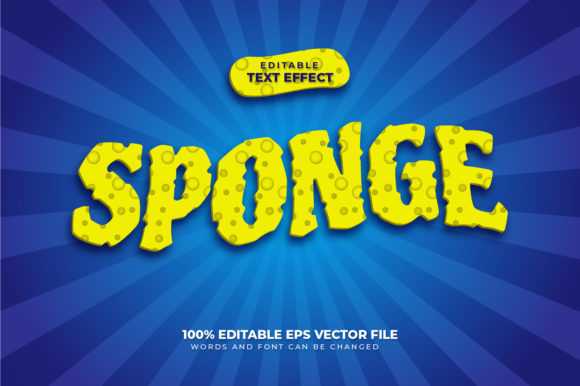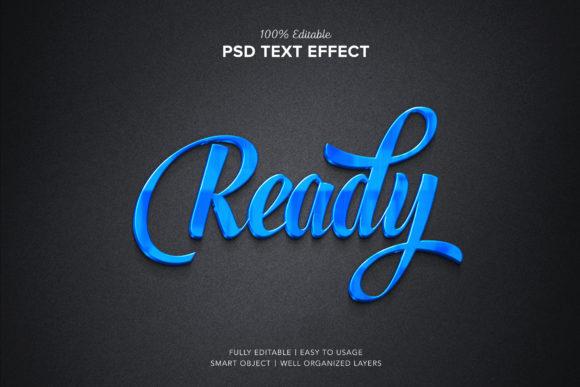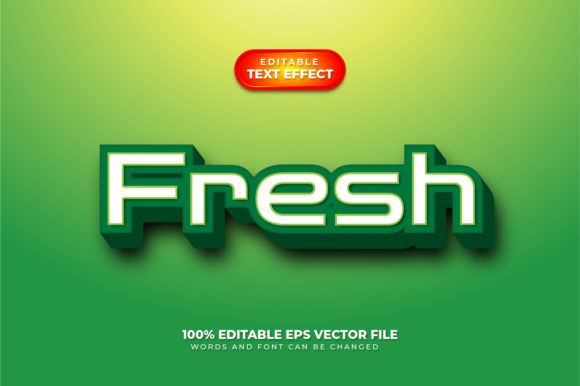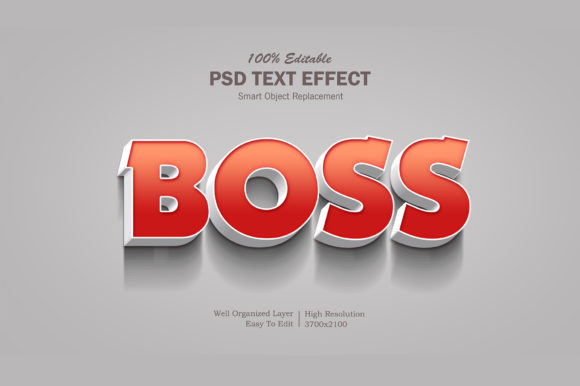
Mastering the Blue 3D Text Effect: A Comprehensive Guide to Editable Vector Design
In the realm of digital graphic design, the distinction between a flat image and a dynamic, interactive vector file is often the difference between a static asset and a versatile tool. The Blue 3D Text Effect, Editable Text Style represents a significant leap forward in how designers approach typography on screen. This is not merely a visual aesthetic; it is a functional design element that combines depth, color theory, and structural flexibility. For professionals ranging from branding experts to hobbyist creators, understanding the mechanics behind this specific text effect is crucial for creating high-impact visual communications.
This guide explores the intricacies of this editable vector design, detailing why it stands out in modern design workflows, how it can be manipulated, and where it adds the most value. By focusing on the practical application of these tools, we can move beyond simple decoration and into the territory of strategic visual storytelling.
The Anatomy of an Editable Vector Design
To truly appreciate the power of the Blue 3D Text Effect, one must first understand the underlying technology. Unlike raster images (such as JPEGs or PNGs) which are composed of fixed pixels, vector graphics are built upon mathematical equations. This fundamental difference allows for infinite scalability without loss of quality. When you encounter a design described as a "fully editable vector design," it means every component—from the curvature of a letter’s stem to the gradient of its shadow—is controlled by nodes and paths.
The specific characteristic of this design being "editable" implies that the user retains full control over the content. You are not locked into a pre-rendered phrase. Instead, you have the ability to alter the message while preserving the stylistic integrity of the 3D effect. This capability is particularly valuable in marketing campaigns where A/B testing different headlines is common, or in educational materials where terminology needs frequent updating.
Why Vector Matters in Modern Workflows
- Scalability: Whether used on a business card or a billboard, the lines remain crisp.
- Small File Sizes: Vectors generally require less storage space than high-resolution raster images.
- Non-Destructive Editing: Changes can be made at any stage of the project lifecycle.
- Layer Control: Individual elements like shadows, highlights, and base shapes can be adjusted independently.
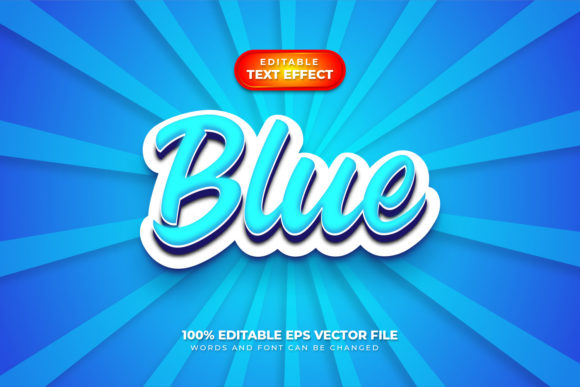
When these vector principles are applied to a Blue 3D Text Effect, the result is a text object that appears tangible and dimensional. The blue hue is not just a color choice; it often conveys trust, stability, and clarity—attributes highly desirable in corporate and tech-oriented branding. However, the true power lies in the fact that this is an not a font, but rather a Text Font Effect design. This distinction is critical for designers who need to maintain brand consistency across various typefaces.
Understanding the Distinction: Effect vs. Font
A common misconception among novice designers is conflating a custom font with a text effect. A font is a collection of glyphs—the actual shapes of letters. A text effect, such as the one described here, is a style applied to existing text. The description explicitly states, "This is an not a font, just Text Font Effect design." This means you are not limited to a single typeface family. You have the freedom to choose the underlying font that best suits your message.
This flexibility offers several advantages:
- Brand Alignment: If your company uses Helvetica for body text and Arial for headers, you can apply this 3D effect to either font without breaking your typographic hierarchy.
- Accessibility: You can select fonts that are optimized for readability or screen readers, ensuring your 3D text remains accessible to all users.
- Variety: You can experiment with serif, sans-serif, and script fonts to see which combination best complements the depth and lighting of the blue 3D effect.
The instruction "You can use the font in the design or any font you want" underscores this versatility. It empowers the designer to treat the 3D effect as a layer of styling rather than a constraint on content creation. This approach aligns with modern design philosophies that prioritize adaptability and user-centric customization.
Practical Applications Across Industries
The utility of an Editable Text Style extends far beyond simple logo creation. Its adaptability makes it suitable for a wide array of professional and creative endeavors. Let us examine how different sectors can leverage this specific design asset.
Marketing and Advertising
In the fast-paced world of digital advertising, speed and customization are paramount. Advertisers often need to produce hundreds of variations of a banner ad for different demographics. With a fully editable vector design, a marketer can change the headline text in seconds. If a campaign shifts focus from "Summer Sales" to "Winter Clearance," the entire graphic does not need to be rebuilt. The Blue 3D Text Effect maintains its visual impact, ensuring brand recognition remains intact while the message updates dynamically.
Educational Materials
Educators and instructional designers benefit immensely from editable assets. Textbooks, online courses, and presentation slides often require diagrams with labeled components. Using a vector-based 3D text effect allows instructors to create engaging, visually appealing labels that stand out against complex backgrounds. Because the text is editable, teachers can update terminology as curriculum standards evolve, saving time and ensuring accuracy.
Product Packaging and Branding
For small business owners and product designers, packaging is a critical touchpoint. A unique 3D text effect can differentiate a product on a crowded shelf. The ability to easily adjust the size and font means that the same design template can be used for various product sizes or language variants. The "click and type" functionality simplifies the localization process, allowing businesses to expand into new markets without commissioning entirely new artwork.
Technical Implementation and Workflow
Implementing this design requires familiarity with vector editing software, specifically Adobe Illustrator, as noted in the source description. While the concept is straightforward, mastering the nuances of the Blue 3D Text Effect involves understanding layers, gradients, and blending modes.
Step-by-Step Customization
- Select Your Tool: Open the vector file in Adobe Illustrator. Ensure you have the latest version to support all advanced features.
- Choose Your Font: As established, you are not bound to a single font. Select a typeface that matches the tone of your message. Bold, sans-serif fonts often work well with 3D effects due to their strong structural presence.
- Apply the Effect: The 3D extrusion and shading are pre-configured. However, you may wish to tweak the angle of the light source or the intensity of the blue gradient to suit your background.
- Edit the Content: Click directly on the text object. Type your new message. The effect will automatically reflow around the new characters.
- Adjust Dimensions: Use the bounding box to enlarge or reduce the text. Because it is a vector, the edges will remain sharp regardless of the scale.
Considerations for Best Results
While the design is "Easy To edit," there are best practices to ensure the final output looks professional. Overcrowding text can diminish the 3D impact. It is advisable to keep headlines concise so that the depth and color transitions of the blue effect can breathe. Additionally, consider the contrast between the text and the background. A vibrant blue 3D effect pops against dark or neutral backgrounds but may get lost on bright, busy images. Testing different background colors during the editing phase is essential.
The Future of Dynamic Typography
As digital interfaces become more immersive, the demand for text that feels tactile and responsive is growing. Augmented Reality (AR) and Virtual Reality (VR) environments rely heavily on 3D assets. An editable vector design like the Blue 3D Text Effect serves as an excellent bridge between 2D print media and 3D digital spaces. Designers can export these vectors for use in 3D modeling software, allowing for even greater interactivity.
Furthermore, the trend toward personalized content means that static templates are becoming obsolete. Consumers expect experiences tailored to their preferences. The ability to instantly modify text styles allows brands to create personalized messages at scale. Imagine a greeting card app that uses this effect to render a user's name in stunning 3D blue text—it is a small detail that significantly enhances the emotional connection to the product.
Conclusion
The Blue 3D Text Effect, Editable Text Style is more than a decorative flourish; it is a robust solution for modern design challenges. By combining the reliability of vector graphics with the visual appeal of 3D typography, it offers unparalleled flexibility. Whether you are a seasoned professional seeking efficiency or a creator looking to add depth to your projects, this tool provides the necessary controls to bring your vision to life. Remember, this is a fully editable vector design that empowers you to change words, fonts, and sizes with ease. Embrace the flexibility, experiment with the aesthetics, and unlock the potential of dynamic text in your next project.