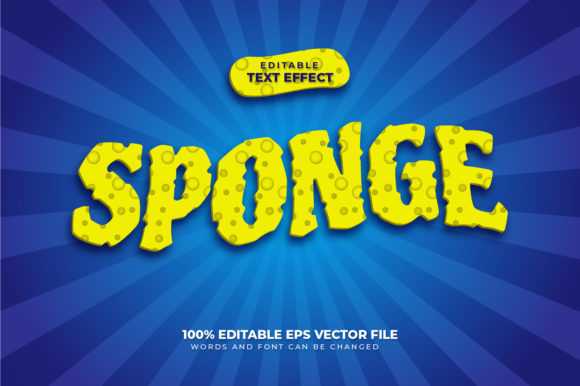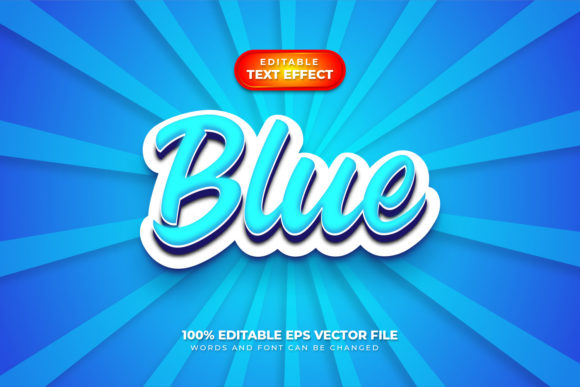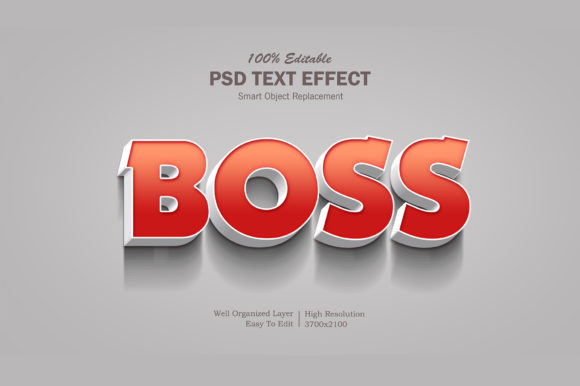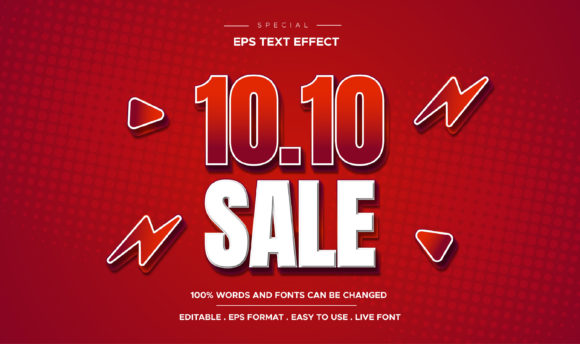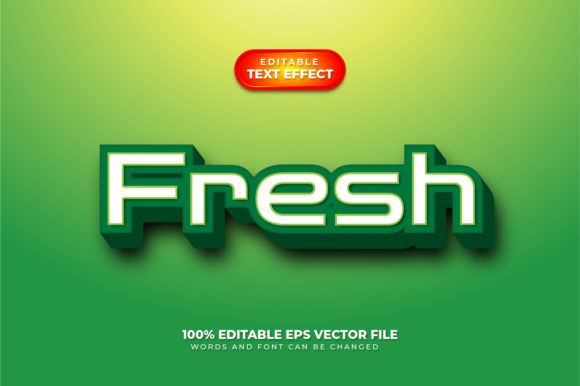
Fresh 3D Text Effect, Editable Text: The Modern Standard for Vector Typography
In the rapidly evolving landscape of digital design, the line between static imagery and dynamic typography is blurring. Designers are no longer satisfied with flat, two-dimensional lettering; they crave depth, dimension, and interactivity. This shift has brought Fresh 3D Text Effect, Editable Text to the forefront of creative workflows. It represents a significant leap forward in how professionals approach vector graphics, offering a solution that balances aesthetic complexity with practical usability.
The core value proposition of this tool lies in its accessibility and flexibility. Unlike traditional methods where creating a three-dimensional text effect required hours of manual layering, shading, and path manipulation, modern vector designs offer a streamlined alternative. By leveraging fully editable vector structures, creators can achieve high-end visual results without getting bogged down in technical bottlenecks. This efficiency is crucial for today’s fast-paced content creation environment, where speed and quality must coexist.
Understanding the Shift from Static to Editable Vector Design
To appreciate the impact of Fresh 3D Text Effect, Editable Text, it is necessary to understand the limitations of older design paradigms. Historically, applying a 3D effect to text in software like Adobe Illustrator was a destructive process. Once an effect was applied, the original text object often became a complex group of shapes. Editing a single letter or changing the font family meant undoing the entire effect and starting from scratch. This rigidity stifled creativity and increased production time significantly.
The current trend favors non-destructive editing. A fully editable vector design allows users to maintain the integrity of the underlying text object while applying sophisticated effects. This means you can change the wording, adjust the kerning, or swap the typeface at any stage of the project without losing the 3D structure. This capability aligns with modern user expectations for agility. Whether you are a marketer tweaking a campaign asset or a freelancer preparing a final deliverable, the ability to iterate quickly is paramount.
The Technical Advantage of Fully Editable Vectors
At its heart, this design is not just a font; it is a Text Font Effect design. This distinction is critical. A font file (.ttf or .otf) defines the shape of characters but does not inherently contain styling instructions like shadows, extrusions, or gradients. In contrast, a vector text effect applies these styles as separate, adjustable properties.
- Scalability Without Loss: Because the design is vector-based, you can enlarge or reduce it to the size that you want without pixelation. This is essential for applications ranging from small mobile app icons to large-format billboards.
- Granular Control: Users have the power to modify individual components. If the lighting direction needs adjustment or the color palette requires a seasonal update, these changes can be made precisely.
- Font Agnosticism: You are not locked into a specific typeface. The instruction "You can use the font in the design or any font you want" highlights the versatility of the template. It acts as a style shell that adapts to your chosen typography, ensuring brand consistency across different projects.
Practical Implications for Professionals and Creators
The adoption of such tools has tangible benefits across various professional domains. For graphic designers, the reduction in repetitive tasks allows more time for conceptual development. Instead of spending an hour building a 3D title for every new blog post header, a designer can apply the preset effect and focus on composition and messaging.
For entrepreneurs and business owners, this technology democratizes high-quality design. Small teams without dedicated art departments can produce polished marketing materials. When launching a new product, having access to Fresh 3D Text Effect, Editable Text ensures that promotional graphics look professional and cohesive, enhancing brand perception without the need for expensive outsourcing.
Streamlining Workflow in Adobe Illustrator
Since this is primarily an Adobe Illustrator Text Effect, integrating it into existing workflows is seamless. Illustrator remains the industry standard for vector design, and templates that respect its native features are highly valued. The ease of editing—"Just click and edit"—reduces the learning curve for newer users while satisfying the power-user demand for precision.
- Select the Text Layer: Locate the text box within the layered structure.
- Modify Content: Type the text you want directly into the field. The 3D effect automatically adjusts to the new dimensions.
- Customize Appearance: Use the appearance panel to tweak colors, strokes, and effects. Since it is 100% editable, every parameter is accessible.
- Export Versatility: Save the file in formats suitable for web (SVG, PNG) or print (PDF, EPS), maintaining crisp edges at any resolution.
Adapting to Changing Creative Habits
Recent years have seen a surge in video content and social media storytelling. Static images still play a vital role, but they are increasingly used as frames for motion graphics. A 3D text effect is particularly well-suited for animation. Because the elements are separated and editable, animators can easily manipulate the text layers over time, creating dynamic intros or lower-thirds for videos.
This adaptability speaks to a broader trend in design: modularity. Clients and audiences expect content that feels tailored yet consistent. A modular text effect allows brands to maintain a recognizable visual language while varying the message. For example, a tech company might use the same 3D style for headlines about AI, cybersecurity, and cloud computing, creating a unified series of posts that are instantly recognizable to their audience.
Bridging the Gap Between Hobbyists and Experts
The phrase "Easy To edit Just Click and Edit" underscores the inclusive nature of modern design tools. Hobbyists and enthusiasts who dabble in design can achieve results that previously required advanced training. This lowers the barrier to entry for creative expression. At the same time, experts benefit from the robustness of the vector foundation. They can deconstruct the effect to understand its construction, using it as a learning resource for mastering complex Illustrator techniques.
Why Attention Is Focusing on Editable Effects Now
There are several reasons why editable 3D text effects are gaining prominence. First, the demand for personalized content is higher than ever. Generic stock photos are less effective than custom-designed graphics that speak directly to a niche audience. Second, the competition for attention in digital spaces is fierce. Eye-catching visuals, such as those with depth and texture, stand out in crowded feeds.
Furthermore, the sustainability of design assets is a growing concern. Reusable, editable templates reduce waste. Instead of discarding a design because one word was misspelled, the asset can be corrected and reused indefinitely. This longevity makes such tools a smarter investment for businesses looking to maximize their creative resources.
Recommendations for Implementation
To get the most out of Fresh 3D Text Effect, Editable Text, consider the following best practices:
- Maintain Hierarchy: Use the 3D effect for headlines or key phrases rather than body text. Depth can hinder readability if overused.
- Contrast is Key: Ensure there is sufficient contrast between the text and the background. 3D effects add visual weight, so a busy background may compete with the message.
- Test Across Devices: While vectors scale perfectly, check how the effect renders on different screens. Some subtle shading details might appear differently on mobile devices compared to desktop monitors.
- Keep it Simple: Avoid overly complex fonts when applying 3D effects. Clean, bold typefaces tend to yield the most legible and impactful results.
Looking Ahead
The future of design is interactive and adaptable. As tools become more intuitive, the distinction between design and development will continue to blur. Web technologies now support CSS-driven 3D transformations, but for print and high-fidelity digital assets, vector-based solutions remain superior. Fresh 3D Text Effect, Editable Text positions itself at this intersection, offering a timeless solution to a modern problem.
By prioritizing editability and vector integrity, this approach empowers creators to respond swiftly to market trends. It acknowledges that design is not a static endpoint but a fluid process. Whether you are updating a logo, creating a social media banner, or designing a presentation slide, the ability to click, type, and transform ensures that your work remains relevant and impactful. Embracing these flexible tools is not just about saving time; it is about expanding the scope of what is creatively possible.
As we move forward, the emphasis will remain on clarity, speed, and customization. Designs that allow for easy modification will be favored by organizations that value agility. The Fresh 3D Text Effect, Editable Text model exemplifies this shift, proving that sophisticated aesthetics do not have to come at the cost of convenience. For anyone serious about visual communication, adopting such versatile, user-friendly resources is a strategic step toward more effective and efficient design practices.