Transforming Festive Spaces with the Papercut 3D Christmas Village: A Comprehensive Guide to Digital Craftsmanship
The holiday season brings with it a universal desire for warmth, nostalgia, and personalized decoration. While traditional ornaments have their place, there is a growing trend among hobbyists, educators, and professional designers toward creating immersive, three-dimensional environments that tell a story. At the forefront of this movement is the Papercut 3D Christmas Village, a digital asset designed to bridge the gap between simple flat cutouts and complex structural engineering. This guide explores the intricacies of using this specific digital file set, analyzing its technical specifications, material versatility, and the creative freedom it offers to users across various disciplines.
The Architecture of Digital Paper Crafts
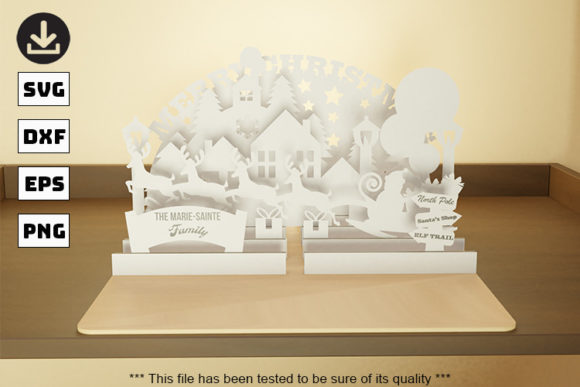
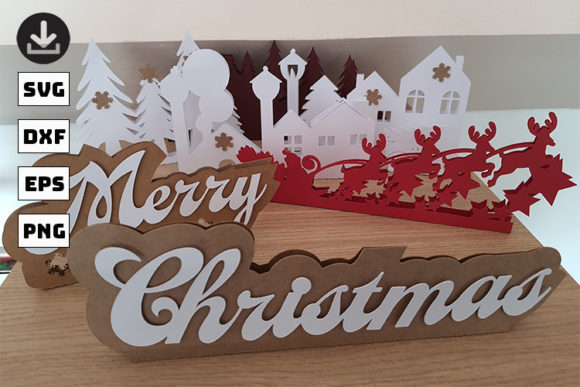
Creating a three-dimensional scene from two-dimensional materials requires precise planning and intricate design. The Papercut 3D Christmas Village addresses this challenge by providing a meticulously crafted digital blueprint. Unlike standard SVG files that may rely on basic outlines, this collection consists of nine distinct files. Each file represents a component of a larger narrative, allowing creators to assemble a cohesive village scene rather than isolated decorations. The design philosophy behind these files prioritizes structural integrity without the need for external scaffolding or hidden supports.
This approach is particularly significant for users who may not have advanced engineering knowledge. The elements are engineered to interlock or stand independently, relying on the inherent strength of the material and the precision of the cuts. When assembled, the result is a stable, freestanding structure that captures the whimsical essence of a winter wonderland. The ability to manipulate these components allows for a level of customization that mass-produced decor simply cannot match.
Technical Specifications and Compatibility
One of the most critical aspects of any digital craft project is file compatibility. The Papercut 3D Christmas Village is distributed as a comprehensive digital package containing multiple formats to ensure accessibility across different software ecosystems and hardware devices. Upon purchase, users receive a zip file containing designs in the following formats:
- SVG (Scalable Vector Graphics): Ideal for vector-based editing and cutting machines like Cricut and Silhouette.
- EPS (Encapsulated PostScript): A versatile format widely supported by professional design software such as Adobe Illustrator.
- DXF (Drawing Exchange Format): Essential for CNC routers and laser cutters that operate within CAD environments.
- PNG (Portable Network Graphics): Provided in transparent resolution, suitable for digital printing or graphic design overlays.
- PDF (Portable Document Format): Useful for viewing, sharing, and direct printing if desired.
The inclusion of both vector and raster formats ensures that whether you are a graphic designer working in Photoshop or a maker operating a laser cutter, the assets are ready for immediate use. The files are created using industry-standard tools, ensuring clean lines and accurate coordinates. For professionals, this means the designs can be scaled up or down without loss of quality, while for hobbyists, it means ease of use in beginner-friendly software.
Material Versatility and Creative Applications
A common misconception about papercraft is that it is limited to paper. However, the Papercut 3D Christmas Village is designed to demonstrate the potential of digital cutting technology across a wide spectrum of materials. Because the file paths are precise and the structural logic is sound, the same design can yield dramatically different aesthetic results depending on the medium chosen.
Traditional Paper and Cardboard
For educators and parents, cardstock and heavy-weight paper remain the most accessible options. The "no-support" feature of the design is particularly advantageous here, as paper can be fragile. By ensuring that every element holds together structurally, the design minimizes the risk of collapse during assembly. This makes it an excellent educational tool for teaching geometry, spatial reasoning, and fine motor skills.
Wood and Plywood
When transferred to thin plywood or basswood via laser cutting, the village takes on a rustic, high-end furniture aesthetic. The contrast between the dark wood grain and the intricate negative space creates a sophisticated look suitable for modern home decor. Wood adds weight and permanence to the installation, transforming a temporary holiday decoration into a lasting keepsake.
Metal and Acrylic
For industrial designers or makers with access to metal-cutting lasers, the DXF and EPS files allow for the creation of metallic accents. Thin brass or copper sheets can provide a shimmering, luxurious finish. Similarly, acrylic sheets in translucent colors can mimic stained glass, catching light in unique ways when placed near windows or lamps.
User Experience and Quality Assurance
In the realm of digital products, user experience extends beyond the download process. The creator of the Papercut 3D Christmas Village has emphasized rigorous testing to ensure customer satisfaction. The files have been tested on popular cutting machines, including Cricut devices, to verify that the cut lines are accurate and that the scaling is correct. This pre-validation step reduces the frustration often associated with downloading untested templates.
Furthermore, the support system is a key component of the product offering. Recognizing that digital files can sometimes present challenges—whether due to software version differences or hardware limitations—the seller provides dedicated assistance. If a user encounters issues opening the file or needs guidance on how to prepare the design for a specific machine, help is available. This commitment to post-purchase support reflects a professional approach to digital commerce, building trust with buyers who value reliability.
Implementation Strategies for Different Audiences
The adaptability of the Papercut 3D Christmas Village allows it to serve diverse audiences with varying goals. Here is how different groups can leverage this asset:
For Educators and Researchers
Teachers can use the village as a case study in STEM education. By having students analyze the structural connections in the SVG files, they can learn about load distribution and geometric stability. Researchers in digital fabrication can study the efficiency of the file structures to understand best practices in parametric design for physical objects.
For Small Business Owners
Entrepreneurs selling handmade goods can use these files to expand their product lines. By producing variations of the village in different materials, businesses can offer tiered pricing models—from affordable paper kits to premium wooden installations. The digital nature of the product means there is no inventory cost for the design itself, only for the raw materials.
For Hobbyists and Creators
DIY enthusiasts appreciate the flexibility to experiment. Since the design allows for decoration placement anywhere, users can mix and match elements, add personal touches like glitter or paint, and create a unique display that differs from others. The transparency of the PNG files also allows for digital mockups, enabling creators to visualize the final product before committing resources to physical production.
Considerations for Optimal Results
To achieve the best outcome with the Papercut 3D Christmas Village, users should consider several practical factors. First, the scale of the project matters. The files are based on a 30cm x 30cm canvas in Illustrator. Users should adjust this scale according to their intended display space. Larger scales require thicker materials to maintain structural integrity, while smaller scales benefit from finer details achievable with high-resolution laser cutters.
Second, material preparation is crucial. Whether using paper, wood, or metal, the surface must be clean and free of debris to ensure proper adhesion if glue is used, or to prevent snagging during the cutting process. Additionally, understanding the kerf (the width of the material removed by the cutting blade) is important for CNC and laser users. While the files are designed to hold without support, minor adjustments to tolerances may be needed depending on the specific machine settings.
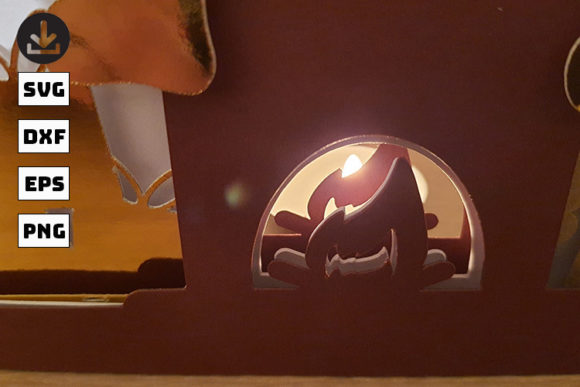
Finally, lighting plays a significant role in the presentation of 3D papercraft. Incorporating LED string lights within the village can enhance depth and highlight the intricate cutouts. The transparent PNG files can even be used to create custom light boxes, adding another layer of creativity to the project.
Conclusion
The Papercut 3D Christmas Village represents more than just a holiday decoration; it is a testament to the power of digital fabrication. By combining robust structural design with multi-format compatibility, it empowers users to bring their creative visions to life across a wide range of materials. Whether you are looking to teach a class, launch a new product line, or simply enjoy a rewarding DIY project, this digital asset provides the foundation for a memorable and visually stunning festive display. Its emphasis on quality, support, and versatility ensures that it remains a valuable resource for anyone interested in the intersection of art and technology.