Mastering the Art of Baseball Crafts: A Complete Guide to Using 3D Layered SVG Cut Files
The intersection of sports fandom and digital crafting has created a vibrant niche for hobbyists, small business owners, and DIY enthusiasts. Among the most popular subjects for these creative projects is baseball, a sport steeped in tradition and visual iconography. For those looking to create professional-grade decals, t-shirt designs, or decorative home goods, utilizing high-quality digital assets is crucial. Specifically, the Baseball Player 3D Layered SVG Cut File and its companion, the Baseball player 1 3D Layered SVG Cut File Download, offer a sophisticated solution for achieving depth and realism in cut vinyl projects. This guide explores what these files are, how they work, and why they are essential tools for modern crafters.
Understanding Digital Cut Files and Their Formats
Before diving into the specific design, it is important to understand the medium through which these designs are delivered. When you purchase a digital cut file, you are not buying a physical object, but rather a set of instructions that tell a cutting machine where to move its blade. The most common formats include SVG, DXF, EPS, and PNG. Each serves a distinct purpose depending on the software and hardware you use.
The SVG (Scalable Vector Graphics) format is the gold standard for most modern cutting machines. Unlike raster images (like JPEGs), vectors are made up of mathematical paths, meaning they can be resized infinitely without losing quality. This makes SVG ideal for creating crisp edges on car decals, mugs, and shirts. The DXF (Drawing Exchange Format) is another vector format, often used as a fallback for older software or specific basic editions of cutting programs. The EPS (Encapsulated PostScript) format is widely used in professional graphic design software, allowing for complex editing before cutting. Finally, the PNG (Portable Network Graphics) included in the download provides a visual reference with a transparent background at 300 DPI, ensuring you can see exactly how the final layered design will look before you begin cutting.
What Makes a "3D Layered" Design Special?
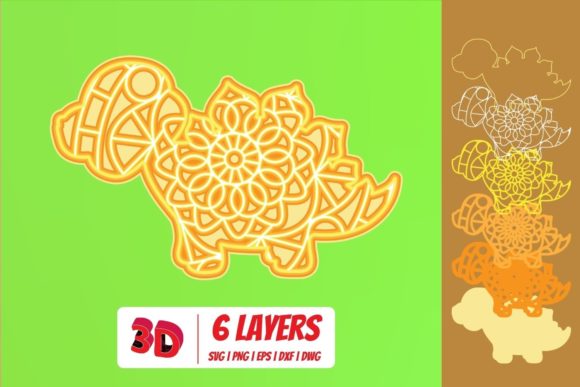
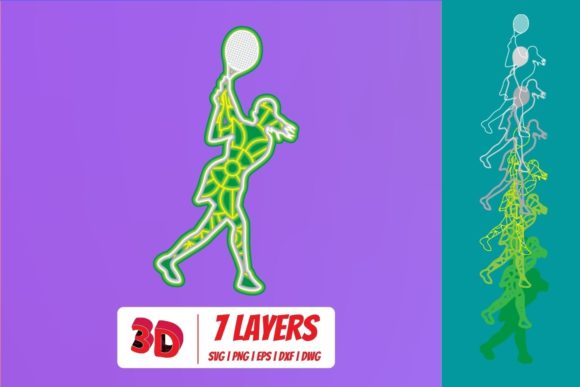
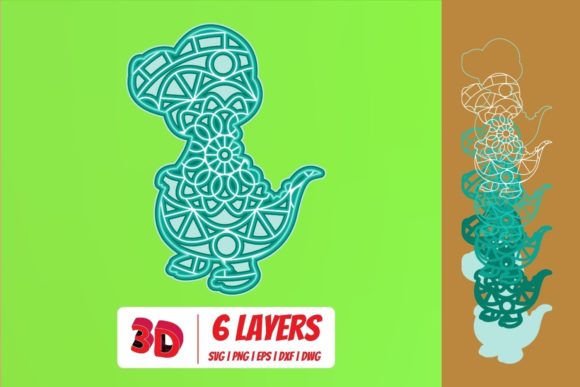
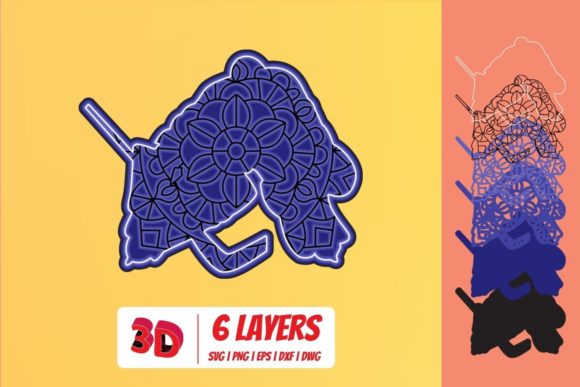
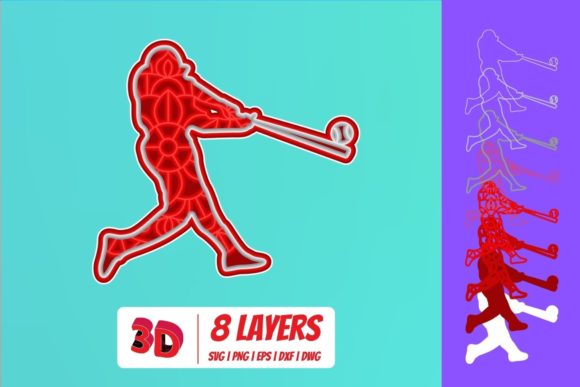
Traditional cut files are often single-layer silhouettes. You cut one shape out of one color of vinyl, peel away the excess, and apply it to your surface. While effective, this method can sometimes look flat or two-dimensional. A 3D Layered SVG Cut File takes a different approach. It breaks down a single image—such as a baseball player mid-swing or pitching—into multiple separate layers. Each layer represents a different part of the image, such as the outline, the jersey details, the skin tone, and the shadows.
By cutting each layer from a different color of vinyl and stacking them on top of one another, you create an illusion of depth. This technique transforms a simple sticker into a piece of art. The Baseball player 1 3D Layered SVG Cut File Download utilizes this principle to give your projects a dynamic, multi-dimensional appearance. Instead of just a flat black silhouette of a batter, you might have a white outline, a red jersey layer, a tan skin-tone layer, and dark shadow accents, all aligned perfectly to create a realistic figure.
Software Compatibility: Making the Files Work for You
One of the biggest hurdles for beginners is ensuring their computer software can read the files they purchase. Fortunately, the package for the Baseball Player 3D Layered SVG includes broad compatibility across the industry's leading platforms. Here is a breakdown of how each format fits into your workflow:
- SVG for Advanced Software: The SVG files are fully compatible with Cricut Design Space, Silhouette Designer Edition, Make the Cut (MTC), Sure Cuts A Lot (SCAL), and Brother’s Scan and Cut “Canvas” software. These programs allow you to easily separate the layers, assign colors, and send the job to your cutter. If you own a Cricut Maker or Explore series, or a Silhouette Cameo 4 or 5, these files will plug right in.
- DXF for Basic Editions: Not everyone has access to premium software features. The included DXF file ensures that users of Silhouette Basic Edition can still utilize the design. While some advanced nesting features might be limited in basic versions, the core ability to cut the shapes remains intact.
- EPS for Professional Designers: If you prefer working in CorelDraw, Inkscape, or Adobe Illustrator, the EPS files provide full editability. This is particularly useful if you want to tweak the proportions of the baseball player, adjust the spacing between layers, or combine this asset with other graphics to create a custom logo or team banner.
- PNG for Visualization: The PNG file acts as your preview. With a transparent background and 300 DPI resolution, it allows you to visualize the final product on mockups or plan your color palette before committing to expensive vinyl sheets.
Practical Applications for Your New Skills
Once you have mastered the technical side of loading and separating these files, the creative possibilities are nearly endless. The Baseball Player 3D Layered SVG Cut File is versatile enough for various applications:
- Apparel and Merchandise: Create custom jerseys or t-shirts for little league teams. The layered effect adds a premium feel that stands out compared to standard screen printing. You can also make personalized gifts for coaches or parents by adding names and numbers to the layers.
- Home Decor: Use the design to decorate lockers, refrigerators, or bedroom walls. Vinyl decals adhere well to smooth surfaces, making them perfect for dorm rooms or man caves dedicated to sports fandom.
- Party Decorations: Hosting a baseball-themed birthday party? Use the cut files to create banners, cupcake toppers, and table centerpieces. The 3D effect will add a festive and impressive touch to the event.
- Small Business Ventures: For entrepreneurs, these files represent inventory potential. By purchasing a commercial license (if applicable) or using the files for personal projects that generate sales, you can build a niche brand focused on sports-themed crafts.
Common Misunderstandings and Tips for Success
Even with high-quality files, errors can occur during the production process. One common misconception is that the "3D" aspect happens automatically. It does not. The software separates the layers, but you must physically cut, weed (remove excess vinyl), and stack them correctly. Ensure your cutting mat is clean and your blades are sharp; dull blades can tear delicate layers, ruining the alignment.
Another frequent issue is color matching. Because the design relies on contrast between layers, choosing vinyl colors that blend too similarly can hide the 3D effect. Stick to bold, distinct colors for the primary layers to ensure the depth is visible. Additionally, always test your design on a small scrap piece of material before applying it to your final project. This allows you to check the registration (alignment) of the layers and make any necessary adjustments in your software.
Conclusion
The Baseball Player 3D Layered SVG Cut File and its accompanying downloads represent more than just a digital image; they are a toolkit for creativity. By understanding the differences between SVG, DXF, EPS, and PNG formats, and leveraging the capabilities of software like Cricut Design Space and Adobe Illustrator, you can produce stunning, professional-looking crafts. Whether you are a seasoned crafter looking to expand your portfolio or a beginner eager to start your first project, mastering these layered techniques will elevate your work from simple cuts to true artistic expressions. Embrace the technology, experiment with colors, and bring the spirit of the game to life on any surface.