3D Line Art with a Square in the Middle
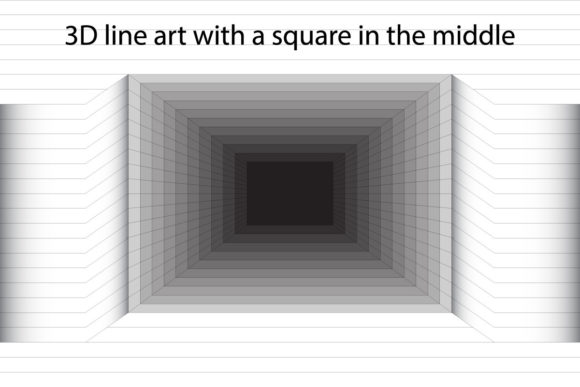
In the realm of digital design and vector graphics, visual hierarchy and geometric precision play pivotal roles in capturing attention. Among the various styles available to designers, 3D Line Art with a Square in the Middle stands out as a sophisticated choice that balances modern aesthetics with structural clarity. This specific design style is characterized by its use of continuous, flowing curves that converge around a central square motif, creating an illusion of depth without relying on heavy shading or complex textures. For professionals evaluating graphic assets for branding, web design, or architectural visualization, understanding the nuances of this format is essential for making informed purchasing and implementation decisions.
Understanding the Visual Composition
The core appeal of this artwork lies in its composition. The design is formed from the beautiful curves of a series of shapes that wrap around or intersect with a central square. This creates an energetic, contemporary, and elegant effect. Unlike flat 2D line art, which can sometimes appear static, the "3D" aspect here is achieved through overlapping lines, varying stroke weights, and strategic negative space. The result is a sense of movement and volume that draws the eye inward toward the square anchor point.
This style is particularly effective because it merges minimalism with complexity. The central square provides a stable, grounded focal point, while the surrounding curves introduce dynamism. This duality makes the asset versatile across various media, from high-resolution print materials to responsive web interfaces. When evaluating such designs, one must consider how the interplay between the rigid geometry of the square and the organic flow of the curves contributes to the overall brand message. It suggests innovation (curves) grounded in stability (square), a powerful narrative for tech companies, creative agencies, and modern retail brands.
Technical Specifications and File Formats
For designers and developers, the utility of a graphic asset is often determined by its technical specifications. The availability of multiple file formats ensures that 3D Line Art with a Square in the Middle can be integrated into diverse workflows without compromising quality. Below is a breakdown of the standard formats typically associated with high-quality vector line art:
- AI Files (Illustrator 10): These native Adobe Illustrator files are crucial for designers who need to edit the underlying paths, colors, and layers. Compatibility with Illustrator 10 ensures broad accessibility, allowing users with older software versions to open and modify the source files.
- EPS 10: Encapsulated PostScript files are widely supported across various desktop publishing applications. They preserve vector data, ensuring that the line art remains crisp at any scale, which is vital for large-format printing like banners or billboards.
- DXF (for AutoCAD 2001 and above): This format is indispensable for architects, engineers, and CNC machine operators. By providing a DXF file, the design becomes usable in precise drafting environments, allowing the artistic concept to be translated into physical structures or laser-cut components.
- SVG: Scalable Vector Graphics are the gold standard for web design. SVGs are resolution-independent and lightweight, ensuring fast load times while maintaining sharpness on high-DPI screens (Retina displays). This makes them ideal for website headers, icons, and interactive elements.
- JPG Format (1200px X 800px, 300dpi): While JPG is a raster format, the provided dimensions and high DPI (dots per inch) ensure that the image is suitable for print purposes where vector editing is not required. The natural color palette is preserved, offering a ready-to-use asset for quick mockups or social media posts.
- PNG Format (1200px X 800px, 300dpi): Similar to JPG, but PNG supports transparency. This feature is critical when overlaying the line art onto different background colors or images, allowing the designer to integrate the element seamlessly without a bounding box.
Software Requirements and Workflow Integration
Evaluating the tools required to work with these assets is a key part of the decision-making process. The primary editing tool is Adobe Illustrator, which offers robust features for manipulating vector paths, adjusting bezier curves, and managing color profiles. Designers familiar with the Adobe Creative Cloud ecosystem will find the transition seamless.
For those working in construction or industrial design, AutoCAD is the necessary environment. The inclusion of DXF support bridges the gap between artistic design and technical execution. Additionally, basic image viewers are sufficient for initial evaluation and previewing the final output in raster formats like JPG and PNG. This multi-tool compatibility expands the potential user base, appealing not just to graphic designers but also to CAD specialists and print production managers.
Benefits and Tradeoffs
Choosing this specific design style comes with distinct advantages and considerations. On the positive side, the natural color palette and clean line work offer a timeless elegance that avoids trending gimmicks. The vector nature of the AI, EPS, and SVG files means infinite scalability; a logo designed at 1cm can be enlarged to 10 meters without pixelation. Furthermore, the modular nature of the curves allows for easy customization—designers can adjust the density of the lines or the size of the central square to fit specific layout constraints.
However, there are tradeoffs. The reliance on clean lines means that the design may lack the emotional warmth of hand-drawn sketches or the richness of photographic imagery. In contexts requiring high-fidelity realism, this abstract geometric approach might feel too sterile. Additionally, while the DXF format is useful, converting complex curved paths from Illustrator to AutoCAD can sometimes result in slight deviations in curve accuracy due to differences in how the two programs handle bezier control points. Users should always verify the integrity of the curves after importing into CAD software.
Situational Fit and Alternatives
This asset is a strong fit for projects that prioritize modernity, precision, and structural integrity. It is particularly well-suited for technology firms, financial institutions, and architectural portfolios where trust and innovation are key brand values. The central square can symbolize a foundation or a hub, making it excellent for network diagrams, corporate logos, or exhibition booth designs.
Conversely, if a project requires a playful, whimsical, or highly organic feel, this rigid geometric structure might not align with the desired tone. In such cases, alternatives like freeform brush strokes, watercolor textures, or organic blob shapes might be more appropriate. Similarly, for projects needing photorealistic detail, stock photography or 3D rendering software would yield better results than line art.
Practical Decision-Making Insights
When deciding whether to incorporate 3D Line Art with a Square in the Middle into your project, consider the following practical steps:
- Assess Brand Alignment: Does your brand voice lean towards minimalist, structured, and contemporary? If yes, this design’s elegant curves and central anchor point likely resonate with your identity.
- Check Technical Needs: Determine if you need editable vectors (AI/EPS/SVG) or static images (JPG/PNG). If you plan to animate the lines or change colors frequently, prioritize the vector formats.
- Verify Software Access: Ensure your team has access to Adobe Illustrator for full customization or AutoCAD if technical fabrication is involved. If you only have basic image viewing software, the JPG/PNG options will suffice for simple display purposes.
- Evaluate Scale: Consider where the art will be displayed. For small mobile screens, the SVG version ensures clarity. For large print runs, the 300dpi JPG or EPS files guarantee sharp edges.
Ultimately, the value of this design lies in its adaptability and aesthetic balance. By carefully weighing the technical specifications against your project requirements, you can determine if this elegant, energetic line art serves as the right visual solution for your needs.